Blog by Paola Noguera RSC – ARDD intern
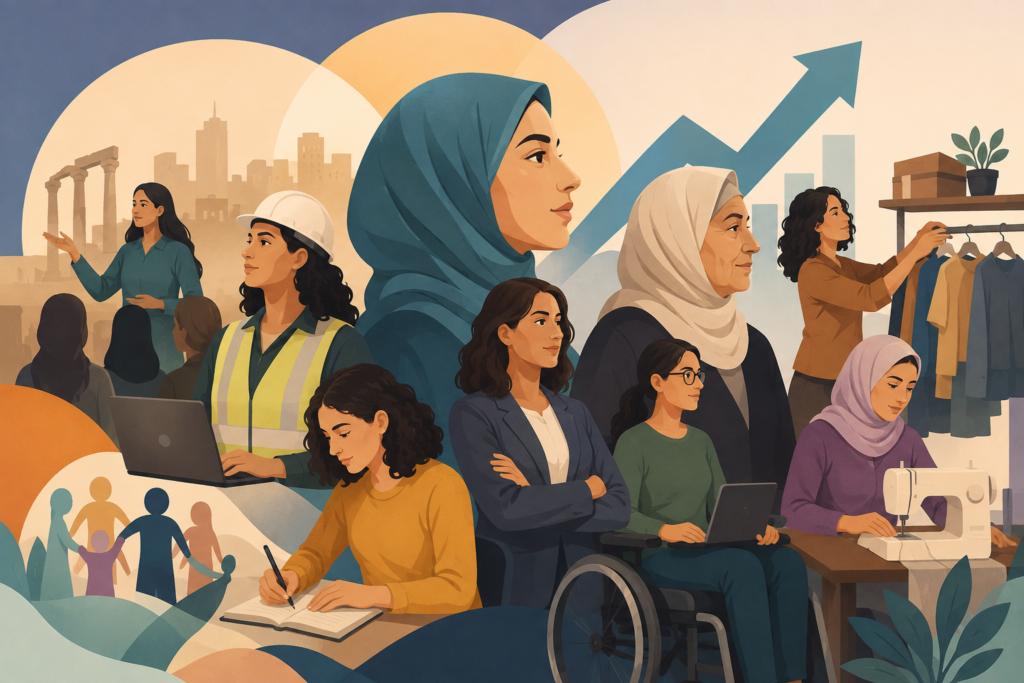
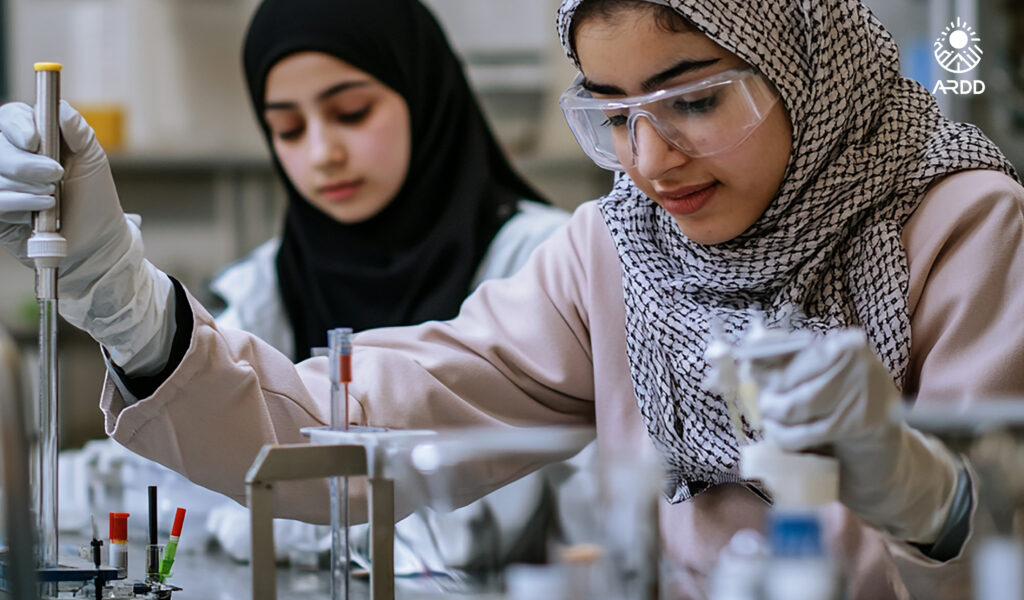
In 2013, the UN General Assembly adopted a resolution encouraging equal development in technology, science, and innovation for women and girls (United Nations). This year, the International Day of Women and Girls in STEM, celebrated on February 11th, will focus on the role of artificial intelligence (AI) in science and the crucial contribution of women, while also addressing the dangers and risks of their exclusion from this field. This emphasis is vital because women continue to be underrepresented in many sectors, largely due to negative social norms and structural inequalities that have historically limited their access to education, resources, and professional opportunities.
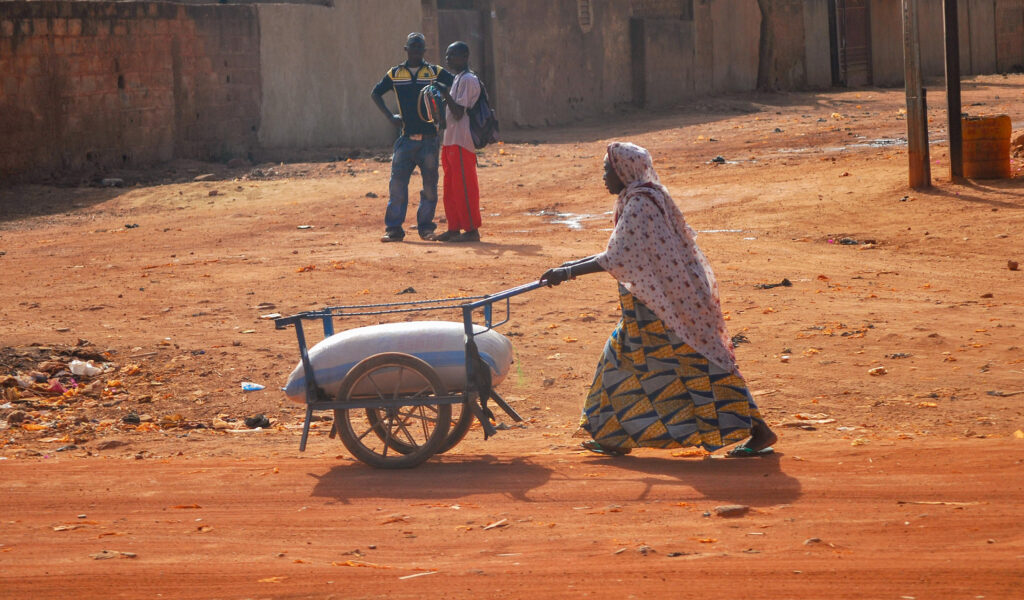
Despite the increasing number of women pursuing STEM education in the Arab region, this growth is actually not yet mirrored in the workforce. Scholars attribute this discrepancy to various factors, with societal expectations dictating that women prioritize family responsibilities. Women often find themselves in roles that align with traditional gender norms. After marriage, it is estimated that they spend around 17 hours per week on housework (Aspadmin, 2023), which can significantly hinder their access to STEM careers. Many women gravitate towards academia for its flexibility compared to the corporate sector. Consequently, men are often promoted to senior positions more swiftly and at higher salaries, partly also because they typically take shorter paternity leaves. Furthermore, pervasive gender bias creates significant barriers for women entering the STEM workforce, which has historically been perceived as a male domain. This bias is evident in research publication rates, where it has been observed that men publish between 11% and 51% more than women (El-Ouahi & Larivière, 2023).
Nonetheless, women are increasingly making their mark also in STEM fields once considered male-only domains. There has been a notable rise in higher education opportunities for women, with greater representation in STEM disciplines at universities across the region. The Arab world is actually recognized for having one of the highest percentages of women in STEM careers globally (Islam, Samira Ibrahim, 2019), with UNESCO reporting that up to 57% of STEM graduates in Arab countries are women (Raising Gender Equality in STEM Careers, n.d.). One factor contributing to this trend is the region’s rich natural mineral and hydrocarbon resources, which may drive women’s interest in STEM (El-Ouahi & Larivière, 2023). This shift can also be attributed to ongoing efforts by organizations and governments to engage women across various sectors and women’s determination to challenge traditional roles while pursuing personal interests in their academic and professional lives. Notable figures like Zaha Hadid, Anousheh Ansari, and Reem Hamdan exemplify the success women can achieve in these fields. Zaha Hadid, from Iraq, is renowned as the “diva of world architecture” for her major architectural projects, and Reem Hamdan, from Jordan, is currently the Director of Jordan’s electrical distribution company, EDCO, responsible for managing the electrical grid in southern Jordan.
However, the underrepresentation of women in the STEM workforce remains a pressing concern, especially as AI technologies rise, which could displace jobs, unequally affecting women. A report by the Jordan Strategy Forum warns that while AI can create new opportunities, it poses risks to human capital, particularly for women in STEM, making them more vulnerable in the evolving job market (The Jordan Strategy Forum, 2025).
Civil Society Organizations such as ARDD are actively working on projects to advance women’s development and enhance their leadership roles. One of their recent initiatives, Nidaa´ for Change, was launched in 2025, and aims to empower girls and grassroots networks to advocate for inclusive and transformative education. It has already launched 4 initiatives to promote inclusive education in Amman and Mafraq, among other activities. The “Investing in the Future 2” project explores how AI can support education in Jordan to become more inclusive and higher quality, while also focusing on equity, accessibility, and the ethical use of AI tools. The project also aims to assess AI’s impact, identify potential risks, and develop context-appropriate strategies for integrating AI into schools.
Moving forward, it is crucial to continue addressing these issues by combating gender bias and challenging societal expectations surrounding women’s roles within family, academic, and professional contexts.
As we celebrate the International Day of Women and Girls in STEM, we must recognize the strides made while also acknowledging the work that remains. By fostering an inclusive environment for women in STEM, we not only empower individual women but also enrich the fields of science and technology with diverse perspectives and ideas. This approach can lead to innovative solutions and advancements that benefit society as a whole, ultimately creating a more equitable future for everyone.