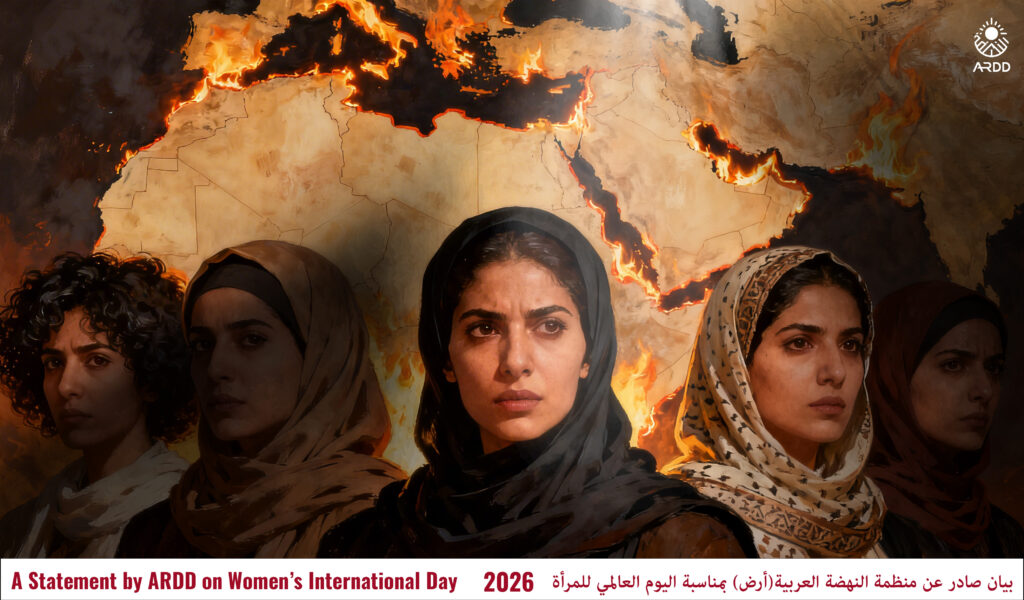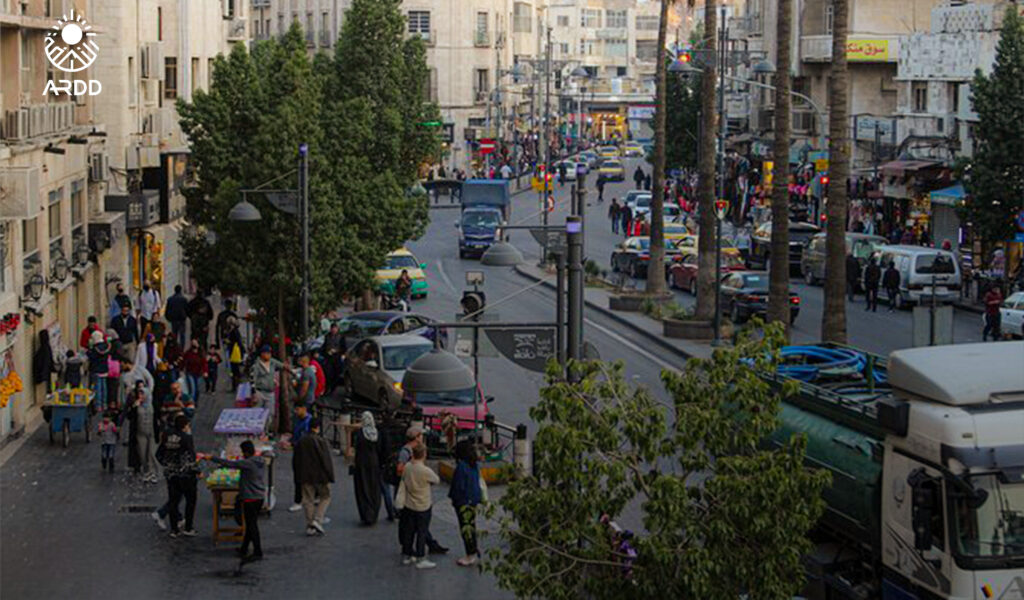
Across the Arab region, public life is shifting under the weight of conflict, fragile economies, and continuous displacement. These conditions reshape how communities function. They also reveal the urgency of strengthening civic participation in ways rooted in local realities. The Renaissance Strategic Center (RSC) operates within this landscape, working as a research-driven think tank that focuses on governance, justice, social protection, and community-led transformation.
Two themes cut through much of RSC’s current work: Women and Youth Empowerment and Migration and Refugeeness. Both reflect the lived experience of communities throughout Jordan and the broader region. They also sit at the heart of RSC’s approach to evidence-based policy, participatory governance, and locally grounded development.
Building Local Expertise: Women at the Center of Knowledge and Practice
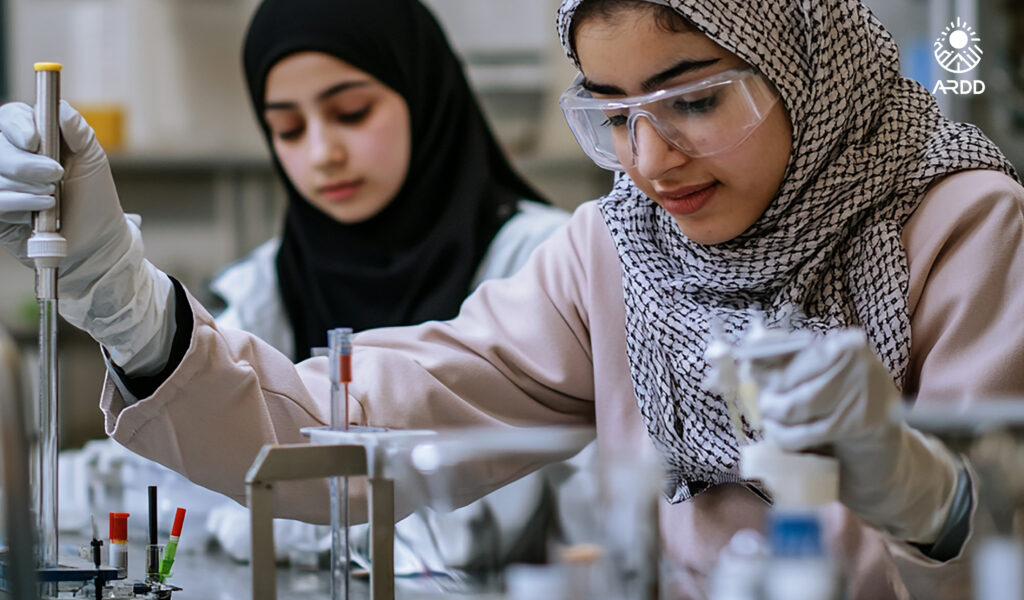
The establishment of Al Nahda Women’s Studies marks a turning point for research in Jordan. Local expertise in women’s studies has been limited. The new platform fills this gap by giving Jordanian researchers space to produce context-based knowledge that can influence national policy. This step aligns with RSC’s commitment to localizing the WPS agenda through practical engagement with women-led organizations. The approach builds capacity within communities rather than importing external templates that fail to reflect local needs.
This initiative also expands the ecosystem that supports Women and Youth Empowerment. It encourages women to develop research skills, explore justice sector challenges, and engage in national dialogue. By strengthening the pipeline of local researchers, RSC supports long-term leadership that grows from within Jordan’s social fabric.
The Intersection of Climate Stress, Displacement, and Social Protection
Jordan hosts large refugee communities that face increasing climate-related risks. The policy dialogue on climate-resilient social integration explored this intersection. Discussions highlighted the need to move from short-term aid to strategies that support self-reliance. This shift requires investment in social protection, access to justice, fair labor practices, and inclusive economic planning.
Participants examined how refugee contributions can reinforce the resilience of food, land, and water systems. Women’s participation was central during the exchanges, reflecting the broader push for Women and Youth Empowerment across the region. Young Syrians also featured in the discussions as key partners in building sustainable livelihoods.
These conversations placed Migration and Refugeeness within a wider lens. Refugees are not only recipients of assistance. They also hold critical roles in climate adaptation, labor market participation, and community-level problem solving. RSC’s research programs continue to emphasize the importance of including displaced populations as equal partners in the design of national social protection systems.
Legal, Social, and Economic Barriers That Shape Migrant Lives
Despite progress on access to services, Syrian refugees still face legal barriers that limit their ability to build stable lives. Work permits remain costly. Social security requirements reduce employment options. Limited TVET openings restrict access to practical skills. These constraints trap many in informal labor, expose them to exploitation, and weaken long-term resilience.
RSC’s policy recommendations call for sustained access to affordable work permits, more TVET programs, and expanded legal aid that helps refugees claim their rights. These proposals came from field research and direct dialogue with affected communities. They reflect RSC’s belief that responses to Migration and refugees must be shaped by those living the experience.
The organization also emphasizes digital inclusion, skill assessments linked to market demand, and joint loan models that support both refugees and host communities. These measures help build fairer economic pathways while reducing social tension.
Community-Based Empowerment: Voices From Remote Areas
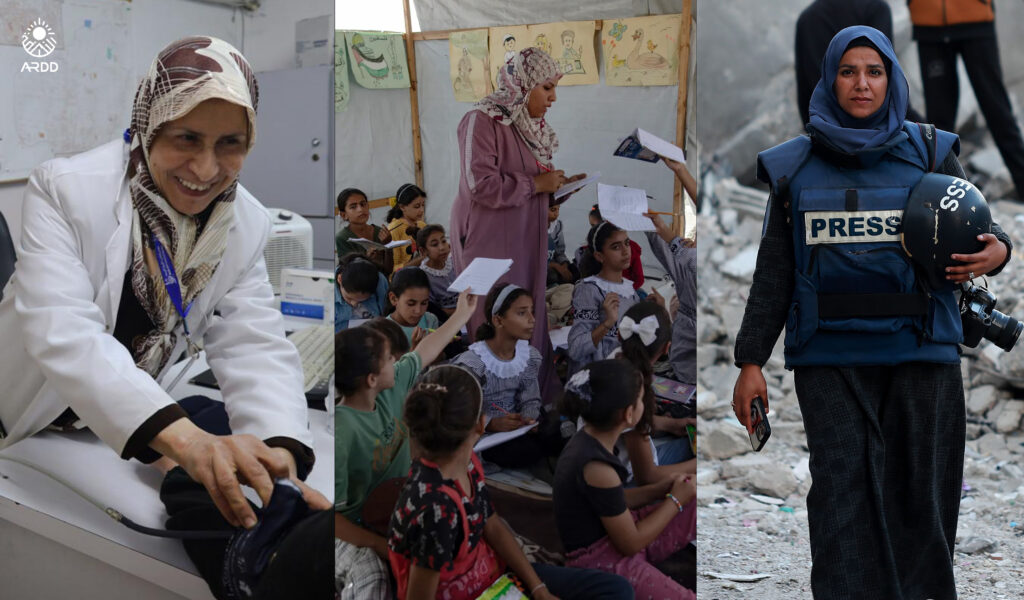
The Women and Girls Oasis program, implemented with UN Women, reached communities that rarely benefit from national training initiatives. Trainers led sessions across many governorates, opening safe spaces for learning, expression, and leadership practice. Participants described the program as transformative. It allowed them to uncover strengths they did not know they possessed.
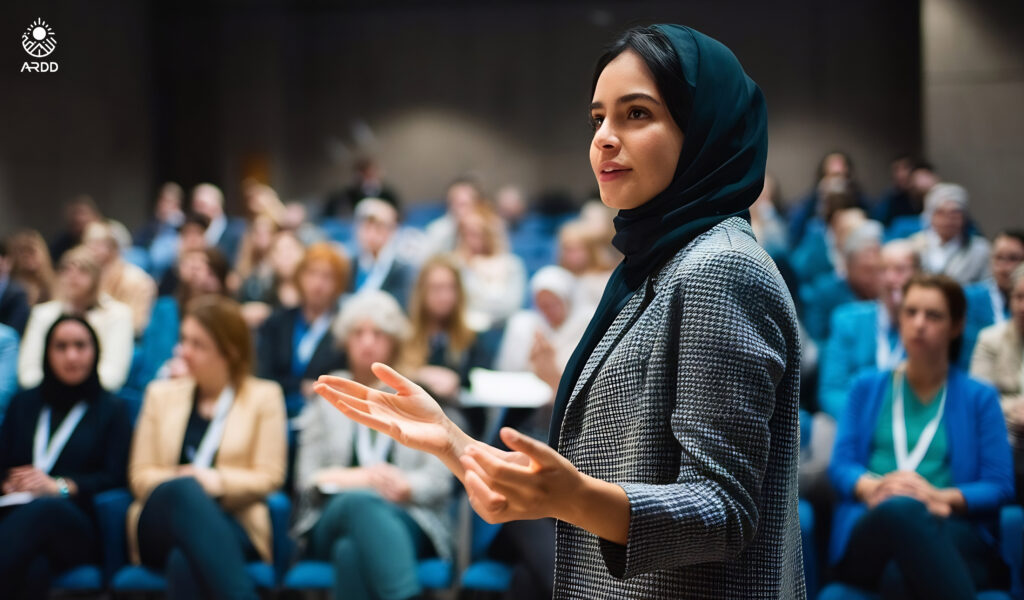
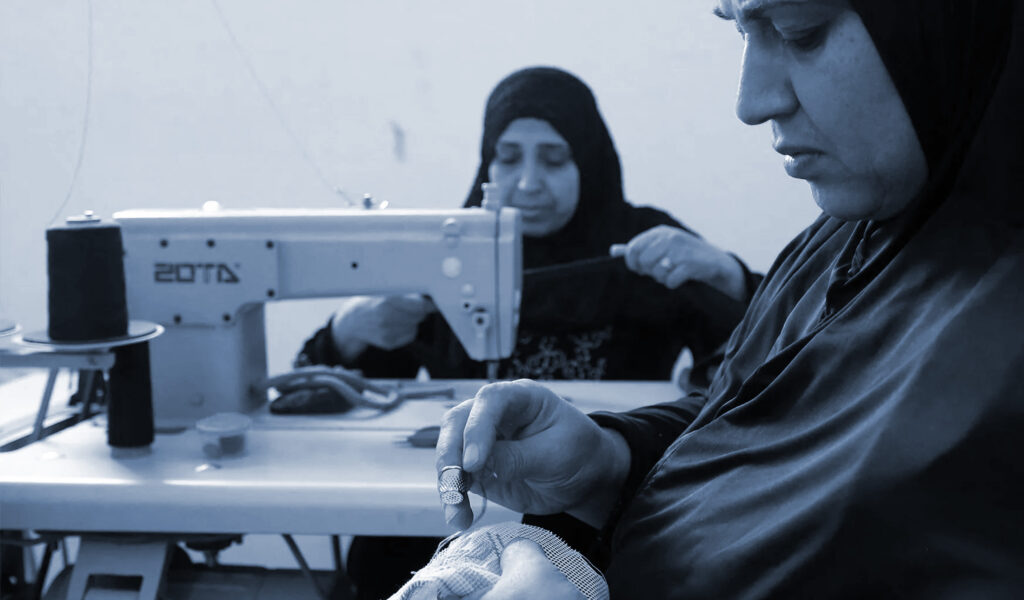
This work illustrates the real impact of Women and Youth Empowerment. In remote villages and desert areas, women often carry heavy responsibilities while having limited influence in public life. The training introduced civic participation, public speaking, leadership, social protection awareness, and peer support. Participants left with new confidence, stronger community ties, and a readiness to engage in local decision-making.
Such initiatives operate at the core of RSC’s philosophy of localization. They move capacity-building to the places where it is needed, rather than expecting rural women to travel long distances to access resources. They also ensure that knowledge flows back into communities, strengthening local governance in the process.
Toward Integrated Approaches for a Changing Region
RSC’s work shows that the pressures created by Migration and refugees cannot be separated from broader social challenges. Displacement interacts with climate stress, economic hardship, gender inequality, and weak public systems. Effective policy must recognize how these factors reinforce each other. It must also prioritize local leadership.
This is why the organization prioritizes civic participation at its core. Communities understand their own needs better than distant authorities. When women, youth, and displaced people are included in decision-making, solutions become more realistic. They also gain public legitimacy.
The same logic guides RSC’s engagement with national forums such as MARFA, HEDF, JONAF, and networks that focus on justice sector reform, social protection, and governance. These spaces allow civil society actors to coordinate, exchange lessons, and develop joint advocacy positions. They also amplify voices that are often sidelined in national planning.
Conclusion: A Regional Path Shaped by Local Realities
RSC’s growing regional role is grounded in the belief that transformation begins at the community level. Whether supporting women in remote villages, designing policy responses to climate-related displacement, or strengthening social protection, the organization builds on the lived experience of the people it serves.
By focusing on Women and Youth Empowerment and Migration and Refugeeness, RSC addresses two of the most pressing dynamics shaping Arab public life today. These themes guide its research, community engagement, and policy work. They anchor their vision of governance that reflects dignity, shared responsibility, and practical pathways to resilience.