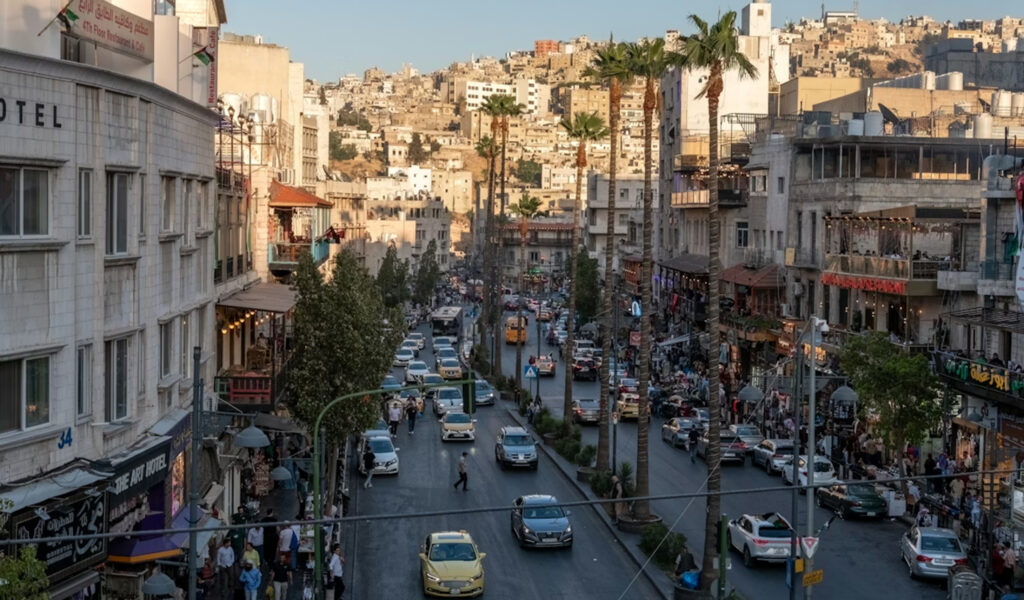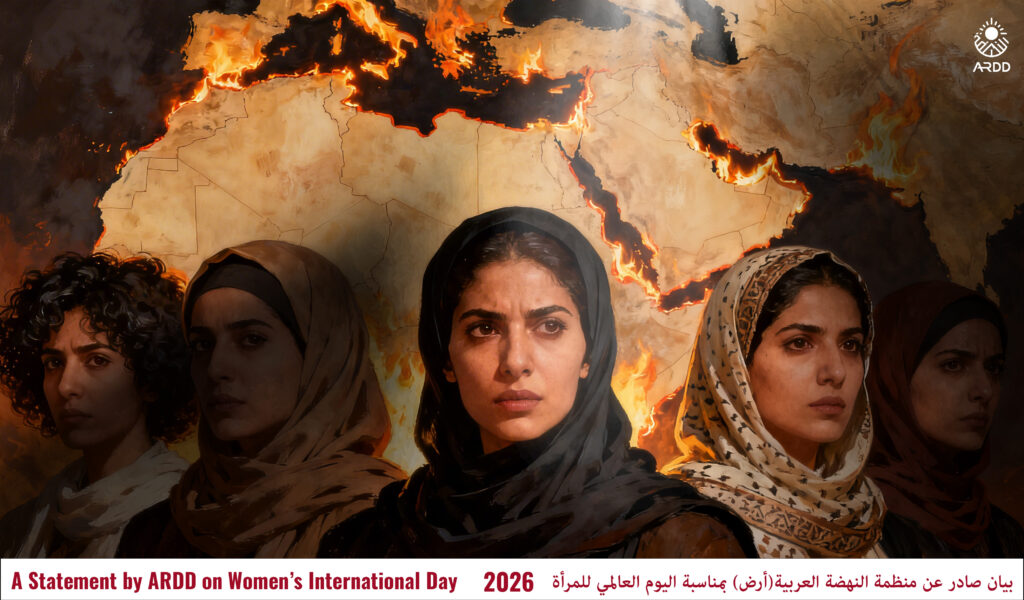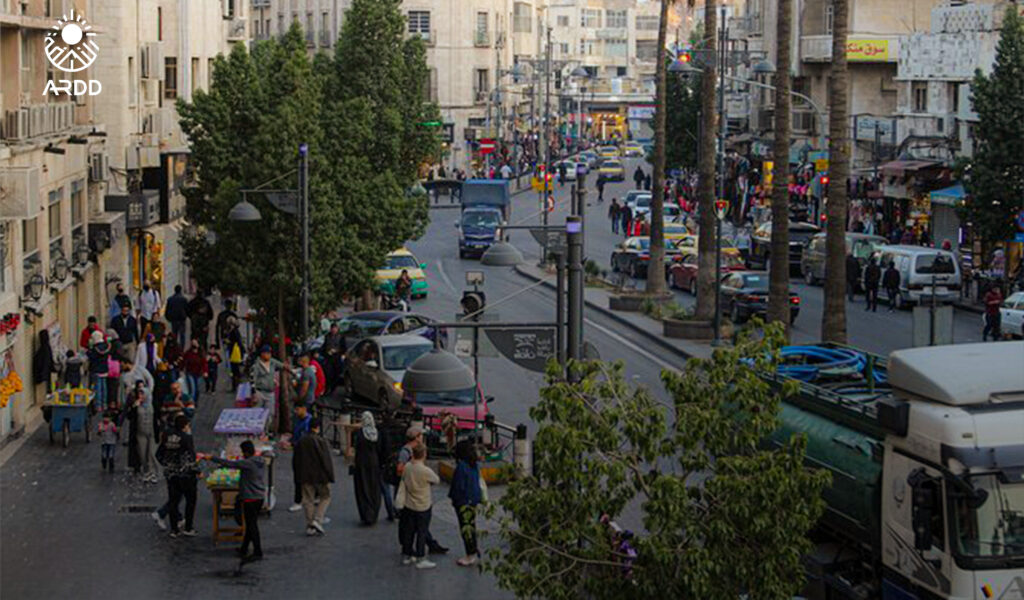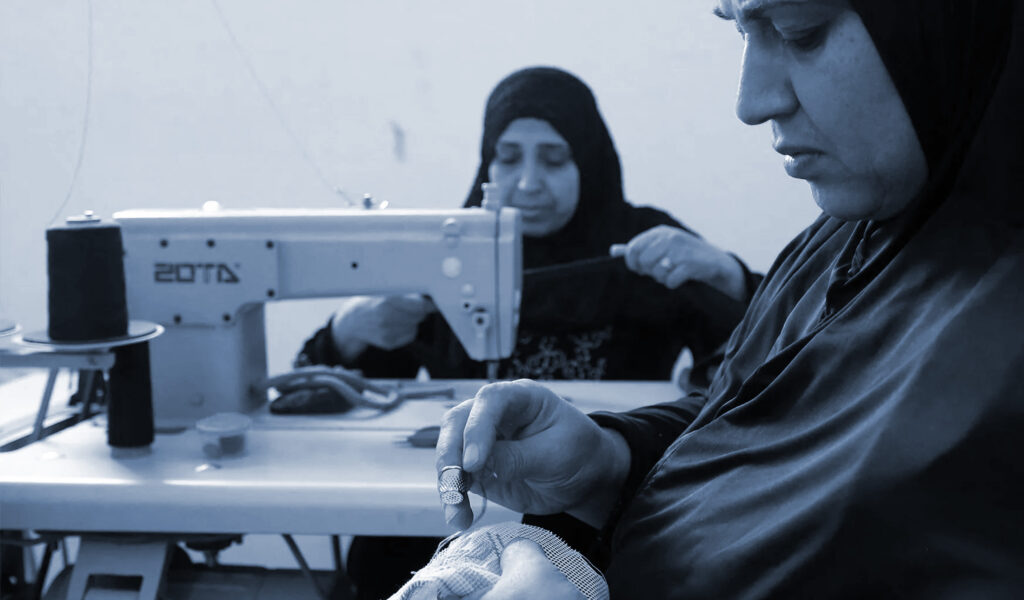
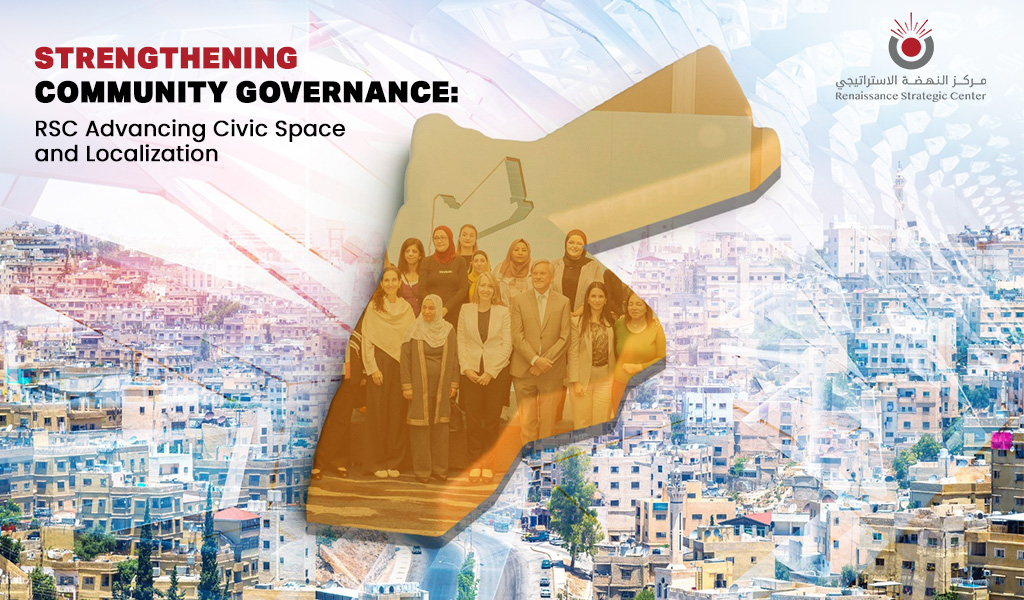
All over the Arab world, major political changes are still, to a large extent, transforming public life. The conflict that lasted for years, the gradual dissolution of state institutions, and the sluggish economic recovery have all contributed to enormous pressures on communities that have to deal with uncertainty with very little help. The RSC is advocating for a practical and down-to-earth approach to governance that is rooted in the lived experiences of the people rather than dictated by the central authority.
This course is in line with the RSC’s long-standing engagement in the fields of Civic Space, Civil Society, and Localization, which is a framework that puts communities at the very heart of policy, reform, and public participation.
RSC at Regional Civic Forums: Defending Freedoms Across Borders
RSC’s presence at the debates during the Barcelona Regional Civic Forums in November 2025 was highly valued as the organization discussed the threats that public freedoms are exposed to. The topics being talked about revealed that the civilized societies are getting more and more restricted in the Arab and Euro-Mediterranean areas, taking place through disinformation, militarization, and invasive state policies, among others.
The participation of RSC—through the Non-Violence Factory and the UNSILENCE Forum—affirmed its commitment to being the protector of participatory public life. The meetings in Barcelona created a connection between the different regional experiences and the common global struggles, stressing the point that the concepts of Civic Space, Civil Society, and Localization must continuously be treated as a common priority.
Workshops held on narrative building, community resilience, and cross-border solidarity were instrumental in equipping the RSC with the necessary tools for its youth leader empowerment, civic defender protection, and non-violent advocacy promotion. The high emphasis on Palestine, which took the form of the ActXPalestine initiative, among others, was consistent with RSC’s age-old pledge to Palestinian justice and its active participation in the regional solidarity networks.
Public Services as a Cornerstone of Social Justice
In early November 2025, RSC, through its collective civil society statement, already participated in the regional dialogue about public services. The statement said that health, education, water, energy, and social protection are the cornerstones of a fair society. The reduction of budgets in these sectors will sooner or later lead to a situation where rights will be denied, inequality will be increased, and marginalized groups, mainly the youth and women who do the bulk of unpaid and caregiving activities, will be even more frustrated.
The upcoming global meetings—WSSD2 in Qatar, UN Tax Convention in Kenya, COP30 in Brazil, G20 Summit in South Africa—were seen as the major areas where public financing could be won. The statement stressed that without sustainable domestic resources, public services cannot meet current social demands or prepare communities for climate risks.
This intervention reflected RSC’s belief that strong public systems complement Civic Space, Civil Society and Localization, because communities cannot participate meaningfully when essential services collapse. Localization becomes credible only when public institutions provide fair, consistent support to all citizens.
Confronting Debt, Inequality, and Global Power Imbalances
RSC’s work is also informed by structural challenges that block equitable development. The growing debt crisis across lower-income countries severely limits investment in public services. The IMF’s reluctance to classify debt distress unless creditors face losses reveals a system that prioritizes financial institutions over human needs.
The civil society statement highlighted contradictions in IMF program design, including pressure to reduce public wage bills even when countries face shortages of teachers, nurses, and care workers. These workers form the core of public life, yet are often the first victims of austerity.
RSC emphasizes that reforming global financial systems is essential for preserving Civic Space, Civil Society, and Localization. Without fiscal space, governments cannot invest in frontline workers, expand inclusive services, or support marginalized communities. Localization requires resources, not only rhetoric.
Localization as a Principle, Not an Accessory
Across the Arab world, communities have demonstrated the capacity to organize locally, negotiate solutions, and respond rapidly to crises. RSC considers localization not as a delivery method but as a philosophy. It positions communities as co-creators of governance rather than passive recipients of state programs.
RSC’s governance work highlights several pillars of effective localization:
- Empowerment of youth and women as drivers of social transformation
- Community involvement in policy design
- Transparent communication between authorities and residents
- Protection of civic freedoms that enable participation
- Flexible local structures that function even in fragile contexts
Through training, research, and cross-border dialogue, RSC is scaling successful local models to other Arab states. This regionalization seeks to bind local innovators into a shared network, promoting knowledge exchange across contexts that face similar governance challenges.
Rebuilding Trust Through Participatory Governance
Trust is a rare commodity in fragile contexts. Communities often feel sidelined by political elites or international actors that overlook their realities. RSC works to close this gap by promoting participatory planning processes, community dialogues, and mechanisms that allow citizens to shape decisions that affect their daily lives.
This approach strengthens civic legitimacy while supporting long-term peace. It also fortifies the social contract, which cannot survive without active local voices. This is why RSC places Civic Space, Civil Society, and Localization at the center of its strategy for 2025–2028.
A Regional Vision Rooted in Local Realities
RSC’s role as a regional actor is growing. By building coalitions, supporting local leaders, and amplifying civic voices, the Center contributes to a broader shift in how governance is understood in the Arab region.
The aim is not to rebuild older systems but to support new ones that reflect diversity, dignity, and shared responsibility. Localization becomes a route to resilience. Civil society becomes a partner in governance. Civic space becomes a protected arena where communities can act without fear.
RSC’s work demonstrates that the future of Arab governance will be shaped not in distant capitals but in neighborhoods, towns, villages, and community networks that hold the social fabric together.