
The Arab world keeps on going through political and social changes, which were heavily influenced by the uprisings that took place in 2010-2011. These changes are part of a larger area of governance (Participation and Partnership), civic engagement, and public demand that has influenced them for a long time. The Renaissance Strategic Center (RSC), which is affiliated with the Arab Renaissance for Democracy and Development (ARDD), plays the most significant role in being the principal actor in the process of understanding and directing these transformations.
In a cooperative way through research, advocacy for policy changes, and community participation, RSC helps to create inclusive governance, participatory decision-making, and sustainable development in Arab-majority societies.
The Arab Transformations Program: A Regional Platform for Change
Central to RSC’s mission is its Arab Transformations Program, which seeks to provide a regional perspective on political and social changes. The program takes on the role of a center for research, policy making, and knowledge swapping. It hopes to strengthen the societies that have been re-energized by critical thinking, mutual understanding, and participatory governance. RSC is driven by the values of dignity, humanity, inclusion, localization, and solidarity, which enable it to make its work both locally rooted and globally knowledgeable.
Digital Symposium on Participatory Governance
In August 2025, RSC organized a Digital Symposium on Participatory Governance in the Arab Region, bringing together experts to discuss governance in challenging and conflict-affected areas. The symposium, using the Karenni State of Myanmar as a comparative example, highlighted the importance of bottom-up governance in instilling trust and accountability within communities where central authority is either weak or nonexistent.
The symposium consisted of two interactive sessions. The first one dealt with governance in conflict settings, and it raised the issues of local institutions building, decentralization, and the participation of women and youth. The specialists had a conversation about the possibility of conflict for local governance structures that would be a foundation for broader political and social stability.
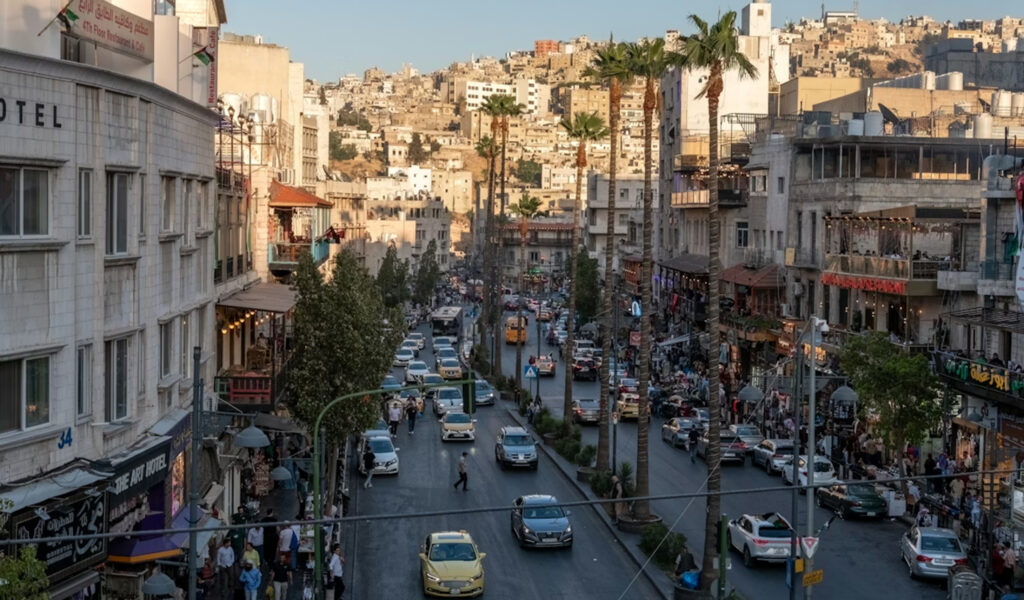
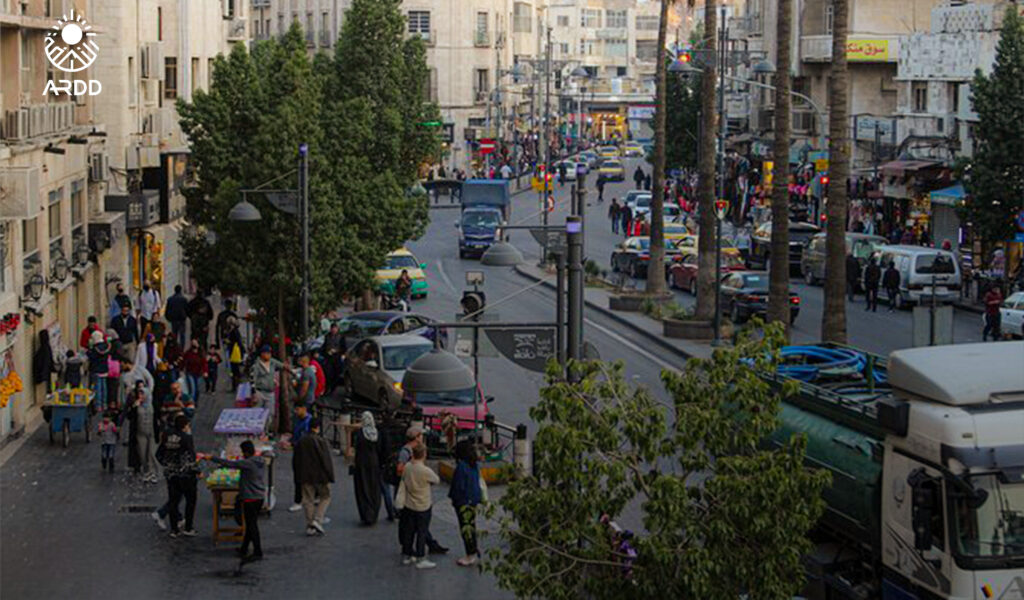
The second session was about the Arab regional contexts, specifically Iraq and Jordan. The panelists presented grassroots participation and emphasized the Jabal Amman Neighborhood Planning project among the other initiatives, which brings youth involvement and community-centered urban planning. The symposium also underlined the combination of climate action, food security, and social inclusion with governance (Participation and Partnership) strategies, thus linking the local realities to the regional and global challenges.
Strengthening Local Development: Dialogue in Irbid
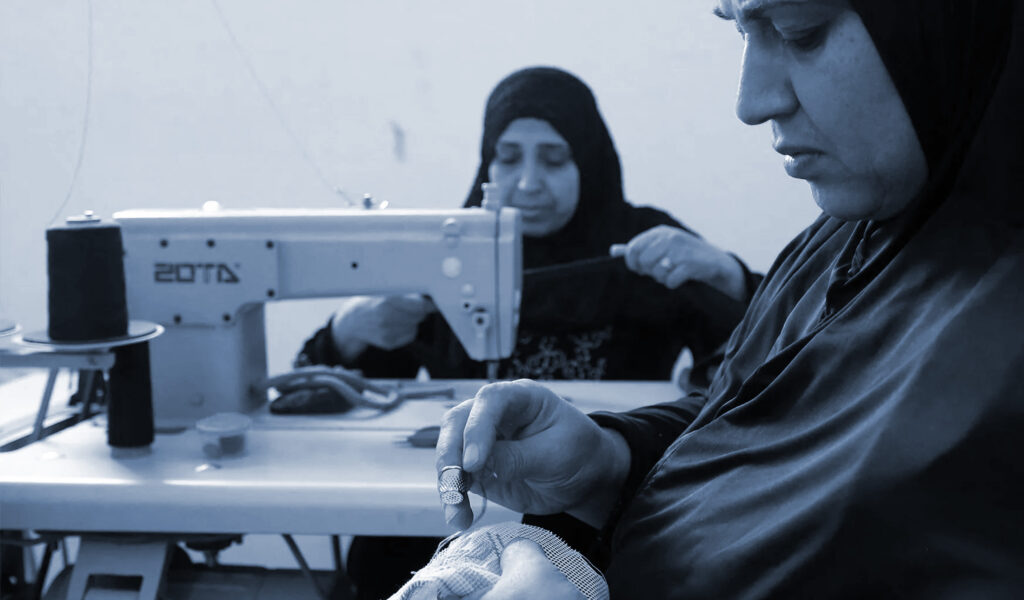
RSC also works in partnership with the communities in order to promote local development initiatives. In July 2025, RSC, in cooperation with the Jordan National NGO Forum (JONAF), held a dialogue in Irbid about the sustainability of community projects and the need for simplifying the licensing procedures, through which the licensing can be made easy for the practitioners. The session, which was attended by government officials, local associations, and Members of Parliament, highlighted the importance of small economic projects in the development of Jordan.
The deliberations revolving around the topic of making the licensing process less tedious, the registration of informal projects with flexibility, and the introduction of easy tax structures for community businesses were the main points of the meeting. Legal experts, along with city officials, pointed out that it is crucial to allow the small activities to be part of the formal economy, but at the same time not to lose the flexibility for the less privileged groups. The recommendations made during the meeting are directed towards giving local bodies the power to become partners in the formulation of policies, thereby leading to community-based solutions to the economic and social problems.
The Arab Transformations in Action
RSC, by these initiatives, turns out to be the embodiment of the values of the Arab Transformations, characterized by the promotion of critical thinking, civic engagement, and acting at the local level. RSC not only supports communities by empowering them through governance (Participation and Partnership) but also by building small projects and connecting local experiences with global insights, which makes the communities assertive in deciding their futures socially, economically, and politically.
The idea of change being a process that necessarily requires the involvement of the people is at the core of the movement. It is the poor and the marginalized that will be the ones to keep if there is no inclusive participation, local ownership, and youth, women, and marginalized groups. Through the interplay of research, policy advocacy, and practical implementation, RSC guarantees that governance and development strategies are influenced properly by the local realities.
Building Resilient and Inclusive Societies
RSC’s activities serve as a lighthouse for resilient, inclusive, and Arab societies. Donors, policymakers, people in power, youths, and women are all looking forward to the center. RSC shows the potential of participatory governance and development by presenting success stories, research on obstacles, and the process of finding common ground for solutions.
In a region that is subject to constant power shifts and demographic changes, the Renaissance Strategic Center is always able to find paths that lead to sustainable development. Its projects demonstrate the compatibility of local governance, community empowerment, and critical thinking in the formation of societies where people are actively involved in shaping their own future.