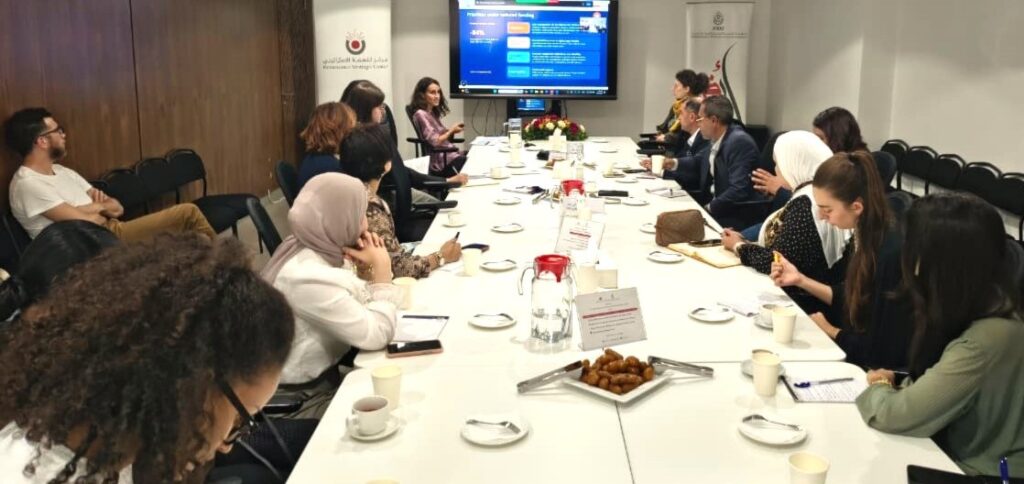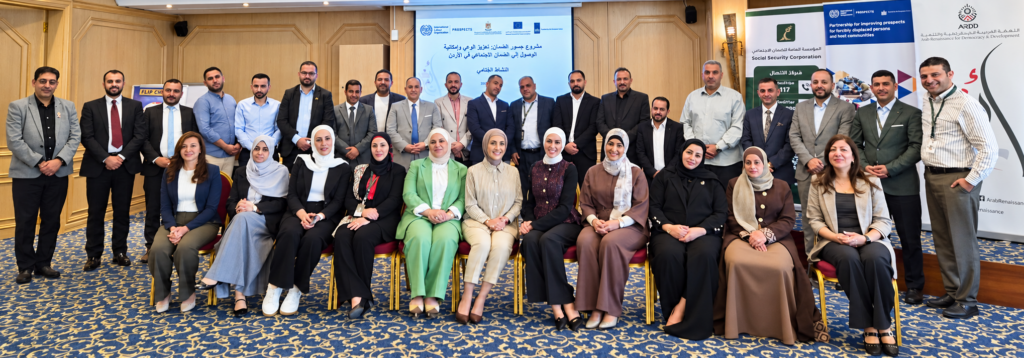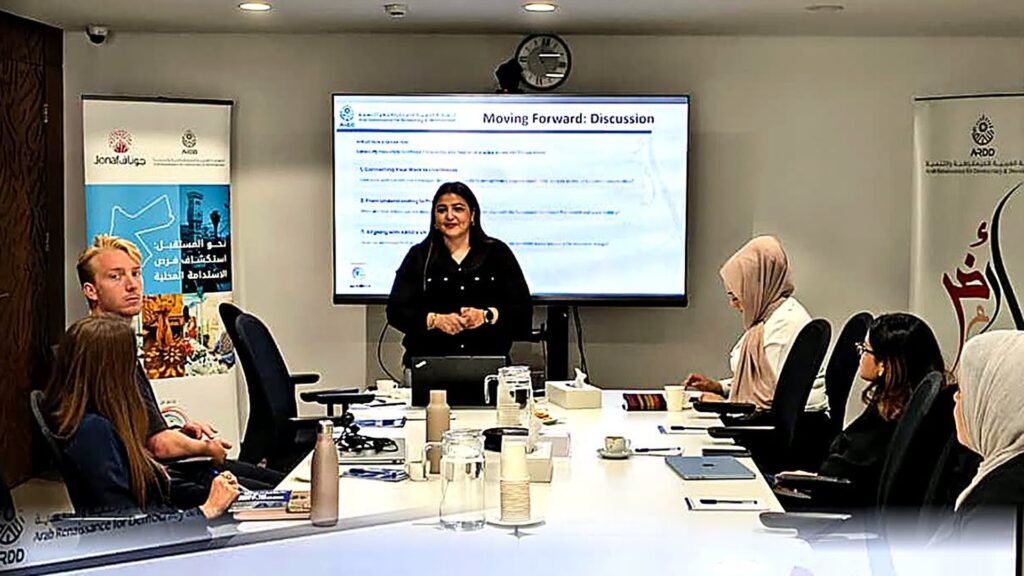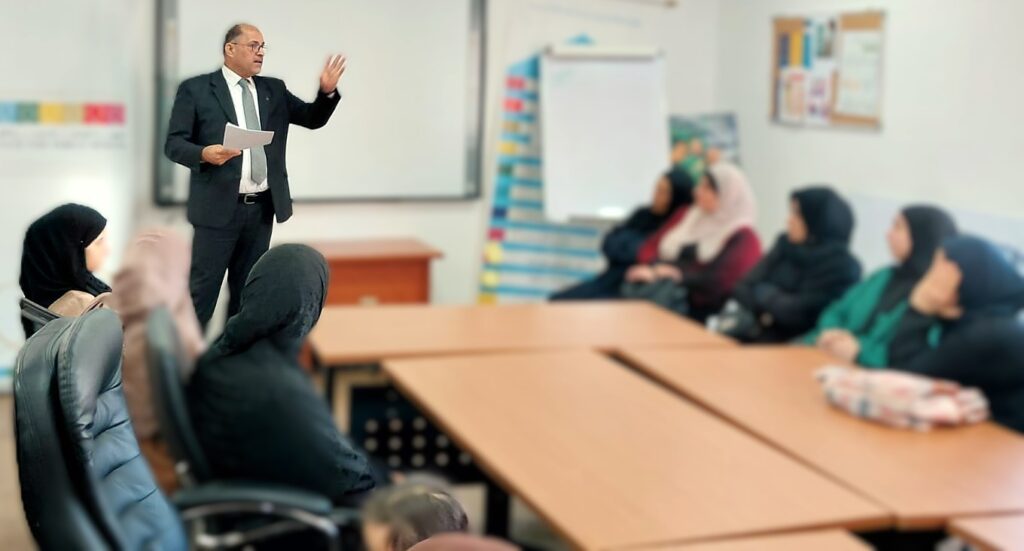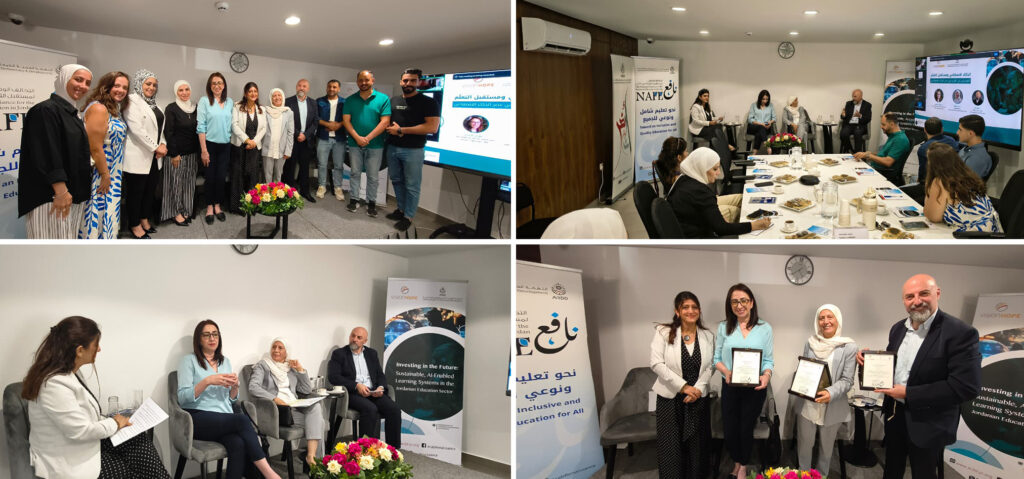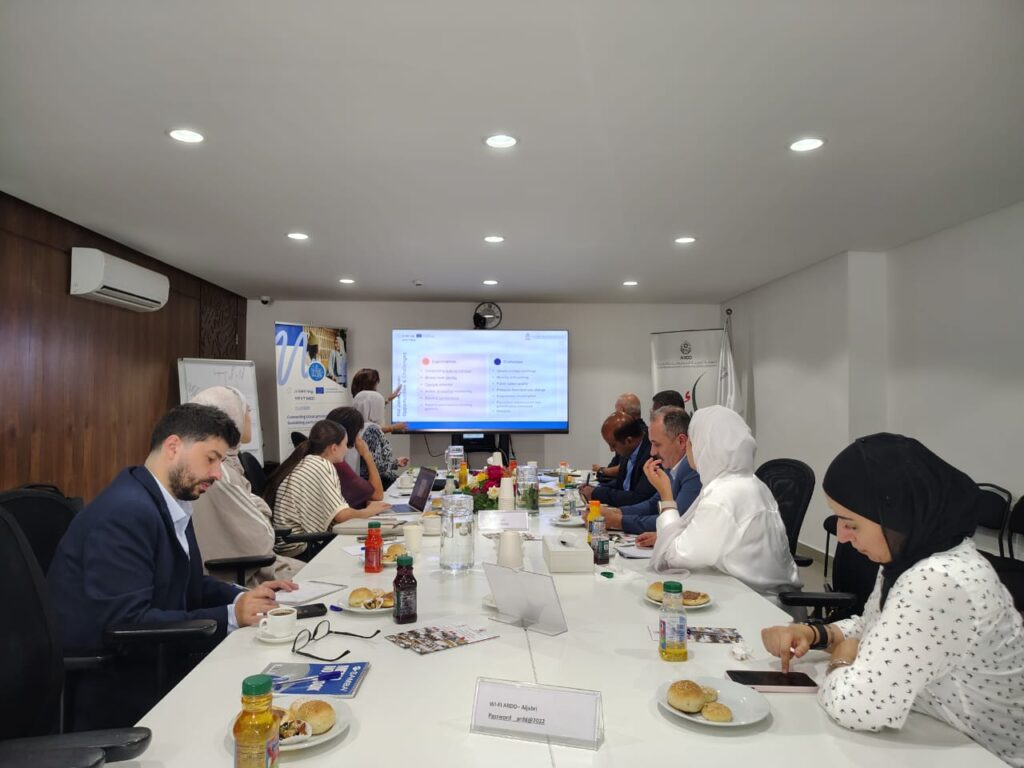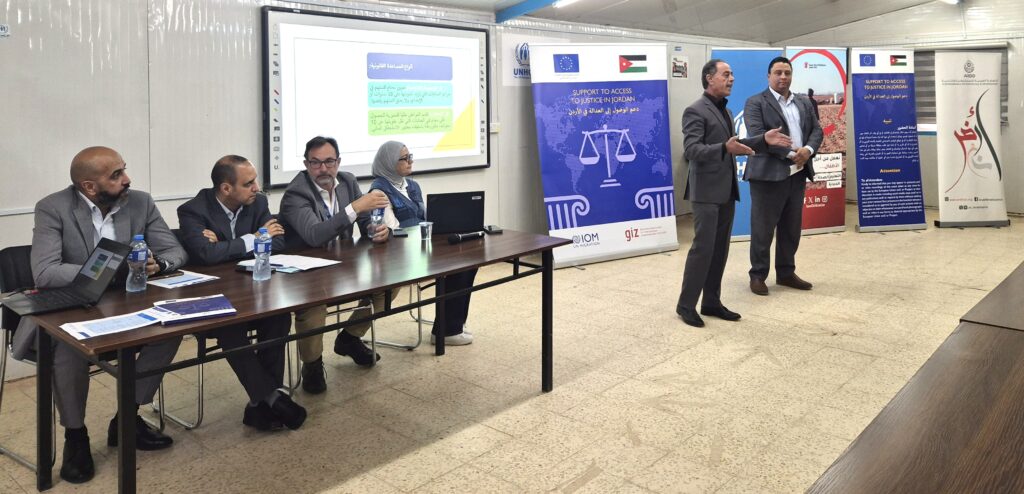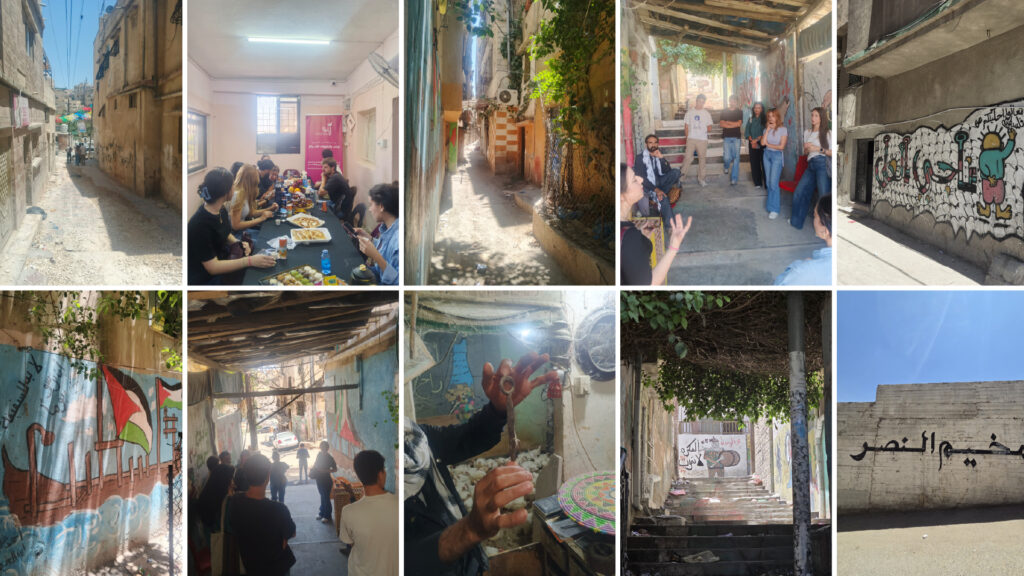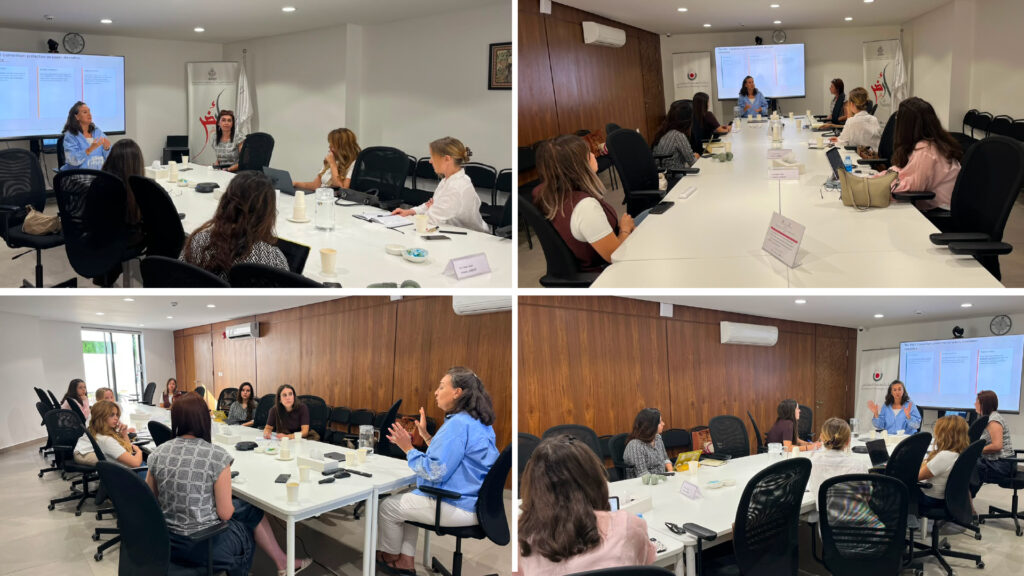
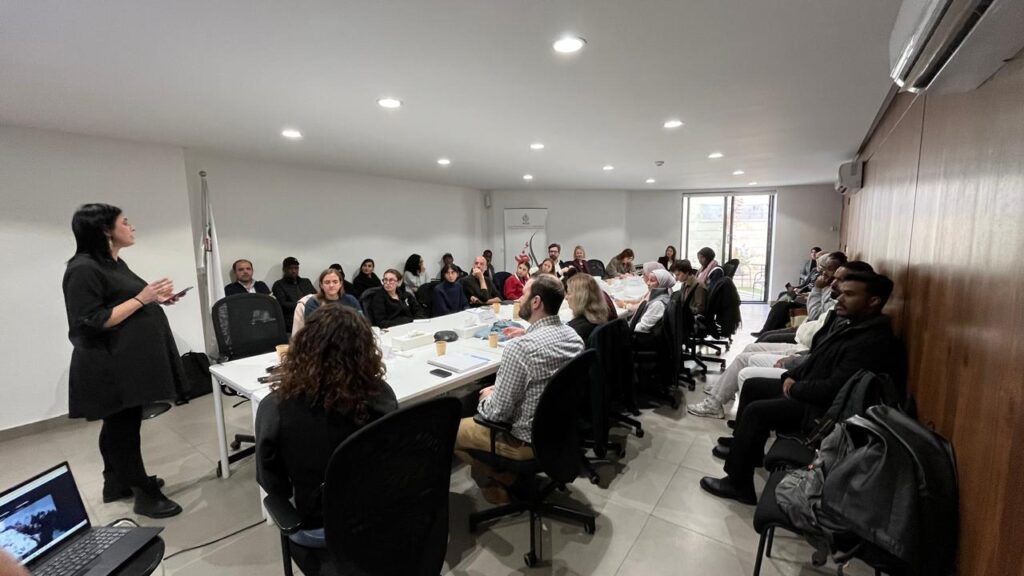
On 7 December 2025, the Renaissance Strategic Center (RSC) hosted a session of its Engage & Discuss series titled “From Skills to Mobility: Designing and Enabling Labour Pathways for Refugees in Jordan.” The session built on a thesis research project conducted in Amman by a University of Turin student in collaboration with RSC, bringing together key actors involved in labour mobility pathways in Jordan to reflect on current practices, challenges, and future directions.
The discussion was particularly relevant in the Jordanian context, which hosts one of the world’s highest refugee populations per capita. As opportunities for traditional resettlement decline, labour mobility pathways are gaining importance as regulated alternatives that can offer both international protection and access to employment abroad.
Opening the session, Rebecca Brodini, Graduate Researcher at the University of Turin, shared findings from her field research on the implementation of labour mobility pathways in Jordan. She presented the Goldsmith for Italy pilot, now in its final phase, which trained refugees in Jordan’s jewellery sector to meet skills needs in Italy. Developed over two years in partnership with UNHCR, Talent Beyond Boundaries, and Turquoise Mountain, the initiative has resulted in the recruitment of ten refugees by an Italian jewellery company, with several already relocated. Brodini highlighted the project’s feasibility and innovation, while noting ongoing challenges, including aligning protection objectives with labour market demands and ensuring effective coordination among multiple stakeholders across countries.
Chris Murphy, Associate Durable Solutions Officer at UNHCR, provided an overview of employment-based pathways, describing them as employer-driven and highly competitive, with varying eligibility requirements. He identified key barriers limiting refugee access, including limited language certification, difficulties validating informal work experience, low awareness of opportunities, and insufficient preparation for international recruitment. Murphy stressed that improved skills profiling, data collection, and outreach are essential to expand access, noting that awareness of labour mobility pathways can increase refugees’ motivation for training and reduce interest in irregular migration. He concluded that these pathways can address both protection needs and labour shortages if supported by coordinated, long-term investment.
Sarah Walder, Global Monitoring & Evaluation Lead at Talent Beyond Boundaries (TBB), outlined TBB’s role in connecting skilled refugees with international employers, responding both to labour shortages in destination countries and to the professional aspirations of refugees. She presented TBB’s Talent Catalog, which includes over 148,000 registered professionals across sectors such as healthcare, IT, engineering, and skilled trades, demonstrating the breadth of underutilised refugee talent. Walder emphasised that employer engagement is critical to translating talent availability into mobility opportunities. She described TBB’s end-to-end support model, from candidate preparation to visa and relocation assistance, noting strong employer satisfaction and retention rates among placed candidates.
Maher Faris, Head of the Turquoise Mountain Institute (TMI), focused on the role of vocational and craft-based training in enabling economic inclusion and mobility. He presented Turquoise Mountain’s training model in jewellery, woodworking, and design, which combines technical skills, business literacy, and professional development for refugees and Jordanians alike. Faris highlighted the institute’s contribution to the Goldsmith for Italy pilot through outreach, assessments, and coordination, and stressed that scaling such initiatives will require stronger skills recognition systems, deeper cross-sector partnerships, and sustained investment in high-quality vocational training.
The concluding roundtable and audience discussion explored how to balance protection and labour market needs, move from pilot initiatives to scale, and ensure that labour mobility pathways also generate value for host communities.
RSC and ARDD will continue engaging in this emerging field, recognising that while labour mobility pathways currently reach a limited number of refugees, their gradual expansion can strengthen Jordan’s vocational and employment ecosystem and contribute to more structured, dignified, and regulated work opportunities for both refugees and Jordanians.