By Jules Dupuy, RSC Intern
On 16 June 2026, in the San Francisco stadium, Ali Olwan scored Jordan’s first-ever goal at a FIFA World Cup. For a few seconds, across the entire country, this global mega-event stopped being something watched from a distance and became something lived. His goal was part of a wider and unprecedented moment: for the first time in the tournament’s history, eight Arab nations (Algeria, Egypt, Iraq, Jordan, Morocco, Qatar, Saudi Arabia, and Tunisia) were competing on football’s biggest stage, double the previous record. Never has the World Cup felt so tangibly a popular event for Arab countries.
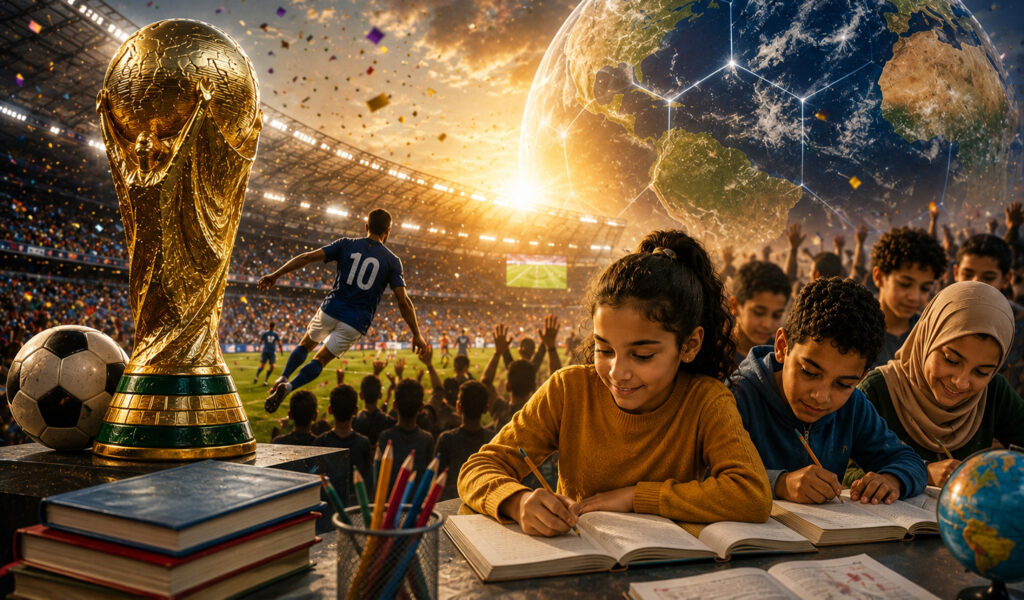
This edition of the tournament carries another novelty that has received less attention than the goals: FIFA has announced that, for every ticket sold across the 104 matches in the United States, Canada, and Mexico, one US dollar will be directed to the FIFA Global Citizen Education Fund. The fund aims to raise 100 million dollars by the final on 19 July, to be channelled into grassroots education and sport programmes for children in underserved communities worldwide, with grants of up to 250,000 dollars available to community-based organisations.
The World Cup ends, but the need for education remains
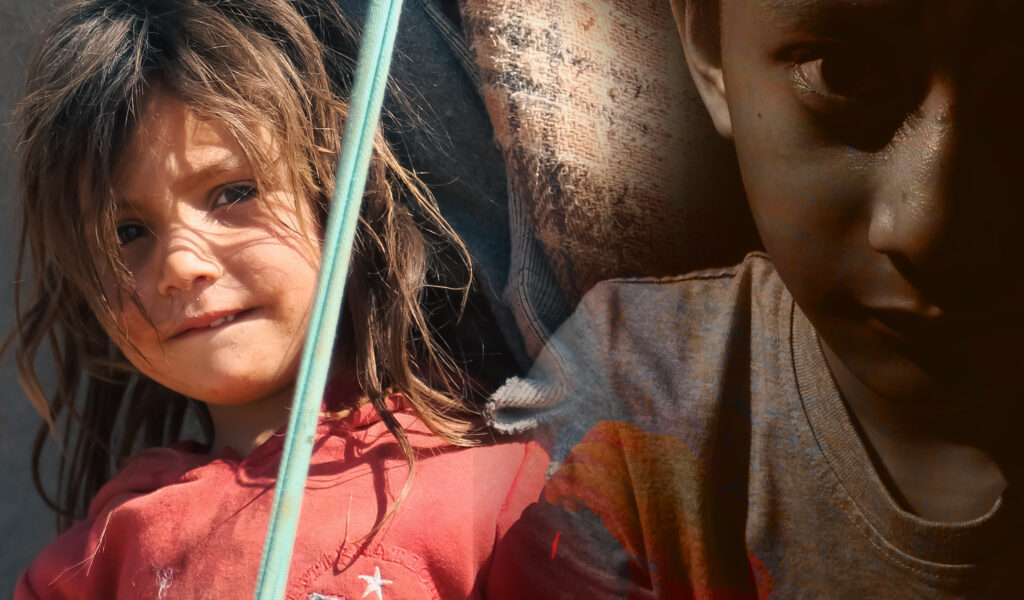
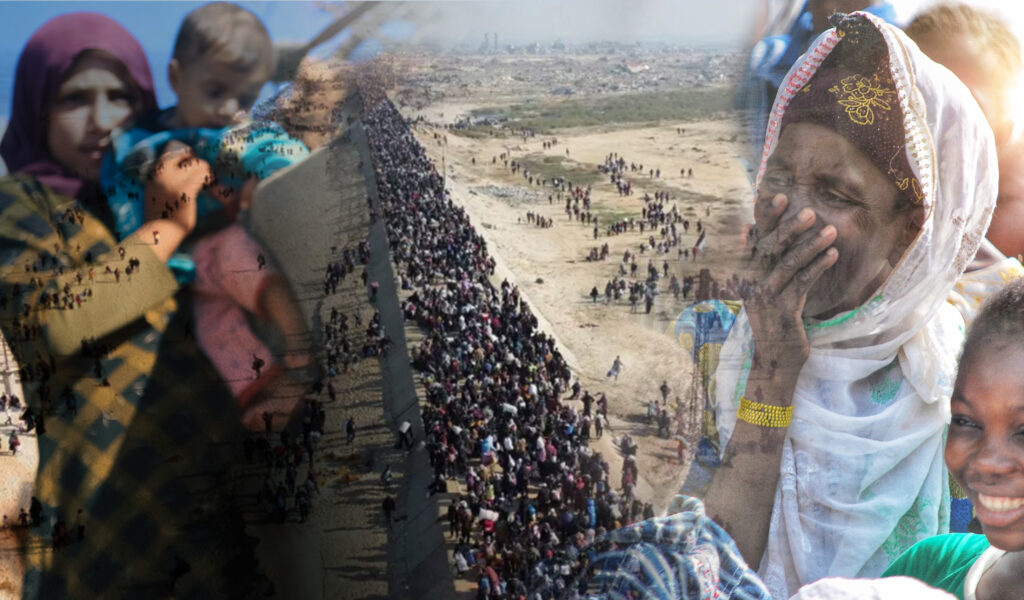
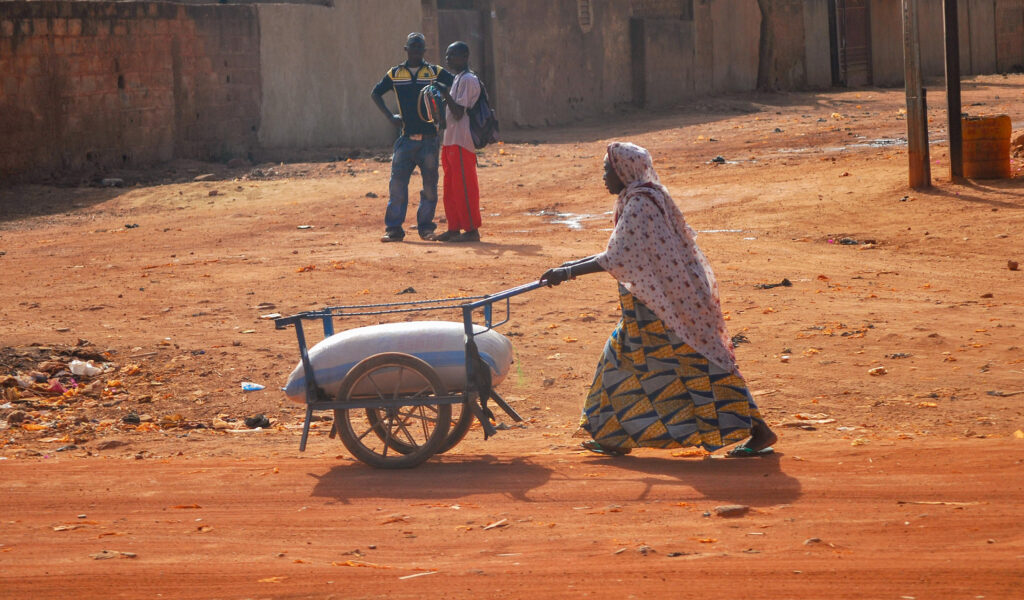
The World Cup is coming to an end on 19 July and the Arab teams have already returned home. By allowing 48 teams to participate for the first time, this format has transformed the World Cup into a tangible popular event for many Arab countries. What the tournament has not changed, however, is another reality: according to UNICEF, around 30 million children across the Middle East and North Africa remain out of school, while six in ten cannot read and understand a simple text by the age of ten.
Jordan offers a clear illustration. Its public schools have welcomed hundreds of thousands of refugee children, yet more than 112,000 children remain outside basic education, many young refugees never reach secondary school, and half a million Palestine refugee children across the region continue to depend on UNRWA schools despite persistent funding challenges.
Rooted in a holistic vision of education, ARDD’s approach links learning opportunities with poverty reduction, protection, and social cohesion. Through Investing in the Future, implemented with Vision Hope International, ARDD combines inclusive education with legal protection for overlooked refugee communities and vulnerable host families in Jordan. Its extension, Investing in the Future with Artificial Intelligence, prepares young people for a changing labour market, while the National Alliance for the Future of Education in Jordan (NAFE), founded in 2017, brings practitioners and public institutions together to advance reform at the national level.
Through field presence in Jordan, ARDD’s experience reflects the simple lesson that commitment to education is about creating the conditions for long-term social transformation. And what better example than football itself ? Success on the pitch is the result of sustained investment in the sporting education of young people. Morocco’s historic run to the 2022 World Cup semi-finals owed a lot to the Mohammed VI Football Academy, opened near Rabat in 2009, which trained several of the players, from Youssef En-Nesyri to Azzedine Ounahi, who carried the national team to that milestone.
Turning a moment into a model
For every ticket sold during the tournament, one US dollar will be directed to the FIFA Global Citizen Education Fund. One dollar is a small amount compared with the price of some match tickets and the revenues generated by the World Cup. And, as with any large-scale fund announced from a large stage, tangible results take time to reach classrooms and the children they are intended to benefit. Yet, this initiative deserves above all to be judged for what it is, for its very design.
The principle itself, a solidarity percentage on tickets sold, is not new. What is notable is that this well-established principle has now been brought into the very heart of a mass popular event. And precisely because the mechanism has already proved itself elsewhere, it deserves our region’s attention. A place where educational needs remain pressing, but also where the capacity to mobilise solidarity is immense. Beyond football, the Arab world’s cultural landscape offers similar opportunities.
Arab world has its own great gatherings
Every summer, among the Roman colonnades of one of the Levant’s most spectacular archaeological sites, the Jerash Festival for Culture and Arts turns the ancient city of Jerash into a living stage, bringing together hundreds of artists and an important audience. Held under royal patronage in the last days of July and the first days of August, its 39th edition alone brought together more than 235 artistic, cultural, and literary events, concerts by leading Jordanian and Arab performers, theatre, poetry evenings, with participants from 37 countries. Each edition draws an audience of around 150,000 people.
Further south, Saudi Arabia’s cultural seasons and festivals now attract millions of visitors. Riyadh Season alone drew more than 16 million visitors in its 2024 edition, according to the Saudi General Entertainment Authority, and the Kingdom’s entertainment sector as a whole has recorded over 75 million event attendees in the past five years. From the Arab Cup to the region’s film festivals, from the book fairs of Cairo and Sharjah to the concerts that fill the amphitheatres of Carthage and Baalbek, the Arab cultural calendar is dense, popular, and growing.
Each of these events already has something essential by bringing in an audience, gathers people by celebration and a shared sense of belonging, precisely the base for a solidarity mechanism. A small contribution attached to each ticket, one dinar, one riyal, one dirham, and channelled transparently towards education programmes for vulnerable youth in the region, would give concrete meaning to popular events. This type of initiative could even attract the attention of the participants, who would be happy to know that part of the price of their evening serves a purpose larger than the performance itself.
Finally, there would be one difference with the World Cup’s initiative, and it speaks in the region’s favour. The dollar attached to a ticket sold in North America must cross oceans and institutions before it reaches a classroom. The contribution of a spectator leaving Jerash or a festival in the region would only need to travel a few kilometres, reaching schools and educational programmes supporting vulnerable children and youth. That short distance is precisely what turns a cultural moment into an act of solidarity, and what allows a culture to invest in the generations that will inherit it. Culture sustaining education through culture: it is hard to imagine a more faithful translation of the Nahda ideals into practice.