“Inclusivity Should Not Be the Reward for Cooperation. It Is Its Condition” HRH Prince El Hassan bin Talal
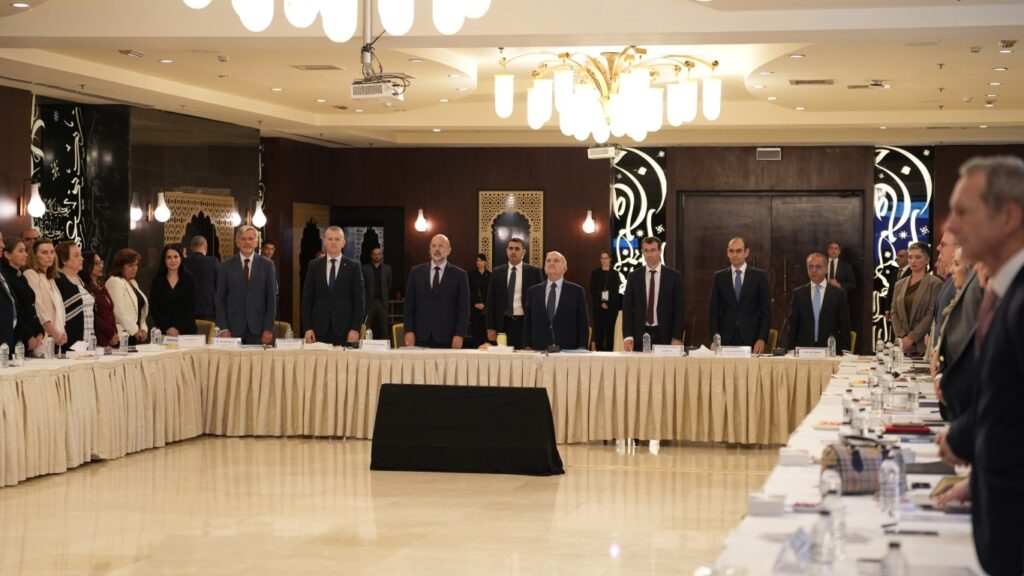
Amman, 29 October 2026, at a moment marked by grief, anger, and deepening uncertainty across the Middle East, His Royal Highness Prince El Hassan bin Talal delivered a powerful message of humanity and hope at the Second Euro-MENA Dialogue. His Royal Highness called for a comprehensive humanitarian vision for peace and stability across the Mediterranean, rooted in respect for human dignity and rights, justice, and cooperation among peoples.
His message carried particular significance for Jordan and the wider region, where recent tragedies, continuing violence, and the suffering of civilians have tested both public confidence and the international community’s commitment to its own principles. Against this painful backdrop, the reflections offered an appeal for dialogue, compassion, and solidarity to remain at the heart of political choices, even in the most difficult of times.
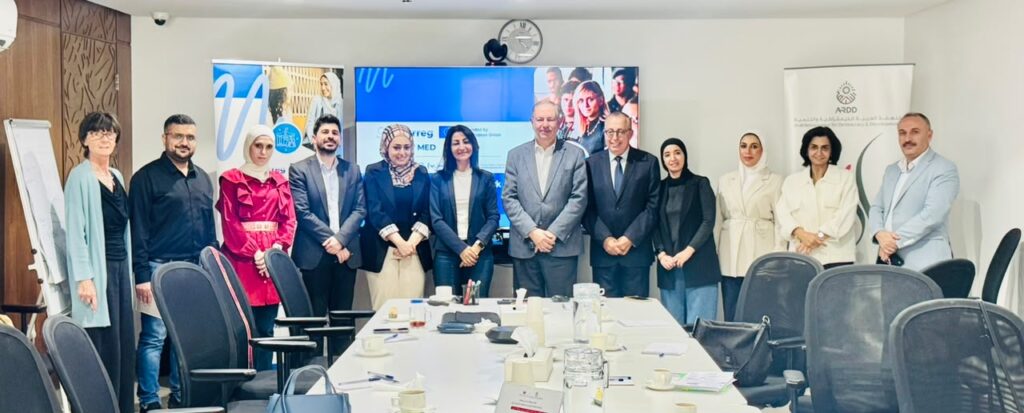
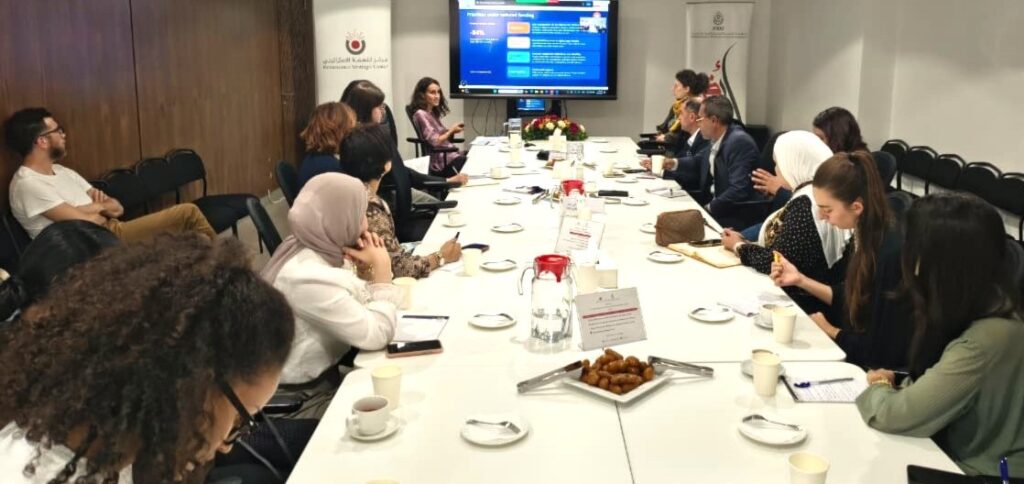
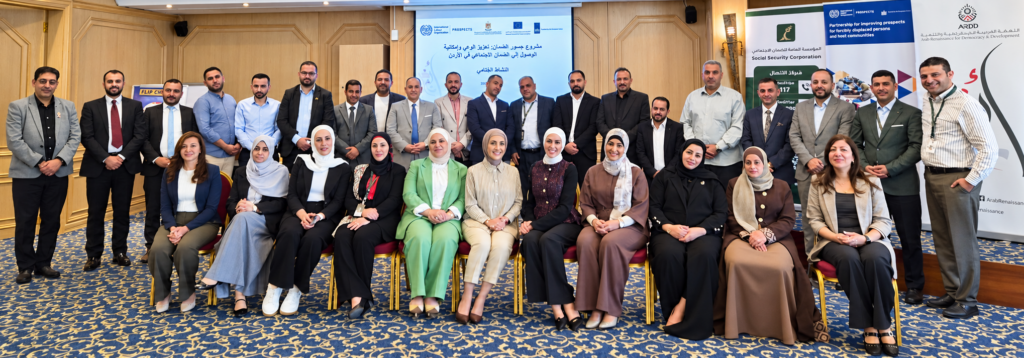
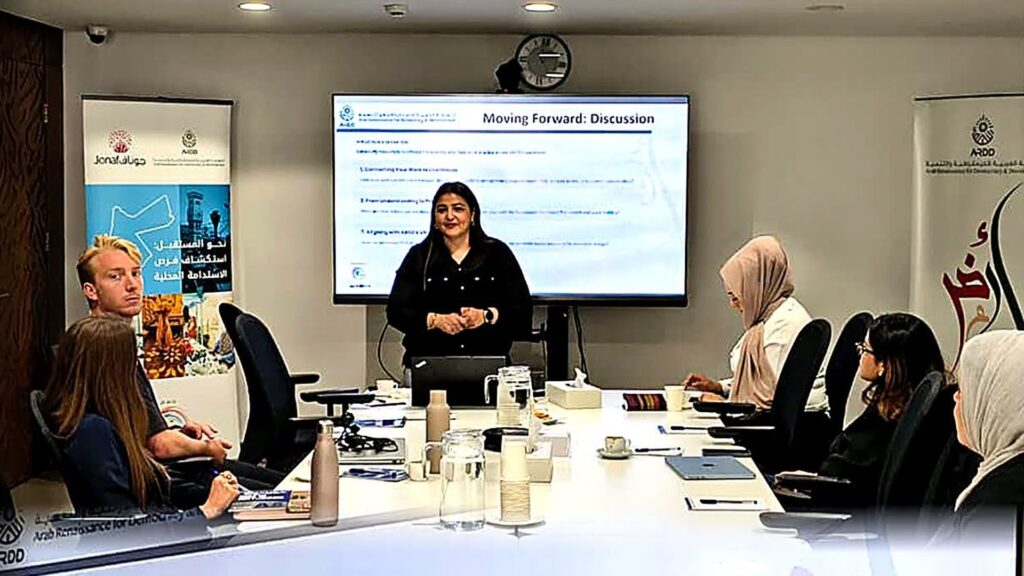
Organised by the Arab Renaissance for Democracy and Development (ARDD) through its Euro-MENA Initiative (EMI), in partnership with the Embassy of the Kingdom of Belgium in Jordan and Independent Diplomat, the dialogue brought together senior policymakers, diplomats, (former) government officials, United Nations personnel, academics, and civil society representatives.
The gathering opened with remarks by Prof. Zaid Eyadat, Chairman of ARDD’s Board of Trustees; Mr. Dominik Bartsch, Chairman of EMI and former UNHCR Representative to Jordan; H.E. Pierre-Christophe Chatzisavas, Ambassador of the European Union to Jordan; H.E. Gianmarco Rizzo, Ambassador of Belgium to Jordan; and H.E. Samer Naber, Director of the European Affairs Department at Jordan’s Ministry of Foreign Affairs and Expatriates.
A shared future cannot be built on divided responsibilities
Throughout the discussions, participants confronted a difficult reality that Europe and the Middle East and North Africa are increasingly interconnected through shared challenges, yet their political responses too often remain fragmented. From the devastation in Gaza and pressures on humanitarian institutions to displacement, economic insecurity, and declining trust in international governance, the consequences of inaction are felt across both shores of the Mediterranean.
The dialogue underscored that Euro-MENA cooperation must move beyond crisis management, security concerns, and migration control towards a more balanced partnership that invests in people, protects rights, strengthens institutions, and creates opportunities for younger generations.
Three sessions explored these challenges through the interconnected lenses of diplomacy, development, and governance.
The first, “Diplomacy in a Fragmented International Order,” featured H.E. Dr. Omar Razzaz, former Prime Minister of Jordan; Mr. Guillaume Charron of Independent Diplomat; Ms. Antonia De Meo, UNRWA Deputy Commissioner-General for Operational Services; and Ms. Maria Stavropoulou, UNHCR Representative to Jordan. Moderated by Dr. Lex Takkenberg, the discussion examined the future of humanitarian diplomacy, the protection of Palestinian refugees, the pressures facing UNRWA, and the urgent need to restore confidence in international law and multilateral cooperation.
The second session, “Rethinking Development and Cooperation between Europe and MENA,” brought together Mr. Ahmad Awad of the Phenix Center; Mr. Joost de Vries of the Embassy of the Netherlands; Dr. Lorenz Petersen of GIZ Jordan; and H.E. Dr. Sawsan Majali, moderated by Ms. Celine Carrè. Participants explored how development partnerships can respond more effectively to social and economic realities, with particular attention to sustainable livelihoods, social protection, and local ownership. The European Union’s Pact for the Mediterranean offered an important framework for considering a more equitable partnership.
The third session, “Governance in Times of Crisis,” featured Sir Charles Petrie, former UN Assistant Secretary-General; Mr. Malik Ben Achour, former Belgian parliamentarian; The Hon. Mark Daou, Member of the Lebanese Parliament; and Ms. Maria Elena Ronza, President of Sela for Training and Protection of Heritage. Moderated by Ms. Maria Giovanna Mariani, the discussion highlighted the importance of accountable institutions, civic participation, and the role of local communities and young people in rebuilding trust.
From dialogue to shared responsibility
Across the sessions, one message emerged clearly: neither Europe nor the MENA region can address today’s challenges in isolation. Their futures are intertwined, and meaningful cooperation requires listening to regional voices, acknowledging unequal power relations, and translating political commitments into tangible improvements in people’s lives.
For Jordan, a country that has consistently advocated moderation, humanitarian responsibility, and dialogue despite immense regional pressures, the gathering reaffirmed the importance of maintaining bridges when division appears easier than understanding.
The Second Euro-MENA Dialogue concluded with a renewed call to turn shared concerns into practical cooperation, recognising that the Mediterranean must be more than a space of competing interests and recurring crises. It can also become a space of solidarity, mutual respect, and shared solutions.
The discussions will inform EMI’s next phase of work, with an emphasis on maintaining channels of exchange, strengthening relationships among regional and European stakeholders, and identifying opportunities to translate policy dialogue into practical cooperation.