The Social Security Corporation (SSC), in partnership with the International Labour Organization (ILO) and the Arab Renaissance for Democracy and Development (ARDD), concluded the activities of “Social Security Bridges: Enhancing Awareness and Access to Social Security in Jordan,” implemented under the PROSPECTS Programme, funded by the Kingdom of the Netherlands. The initiative aimed to raise awareness of the importance of social security coverage and the insurance benefits available to workers, particularly groups with limited access to social security services and benefits.
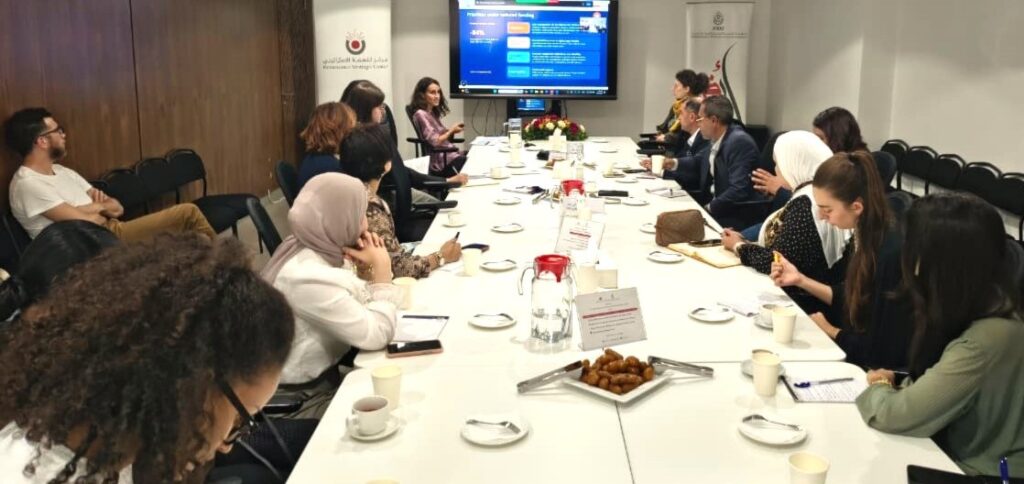
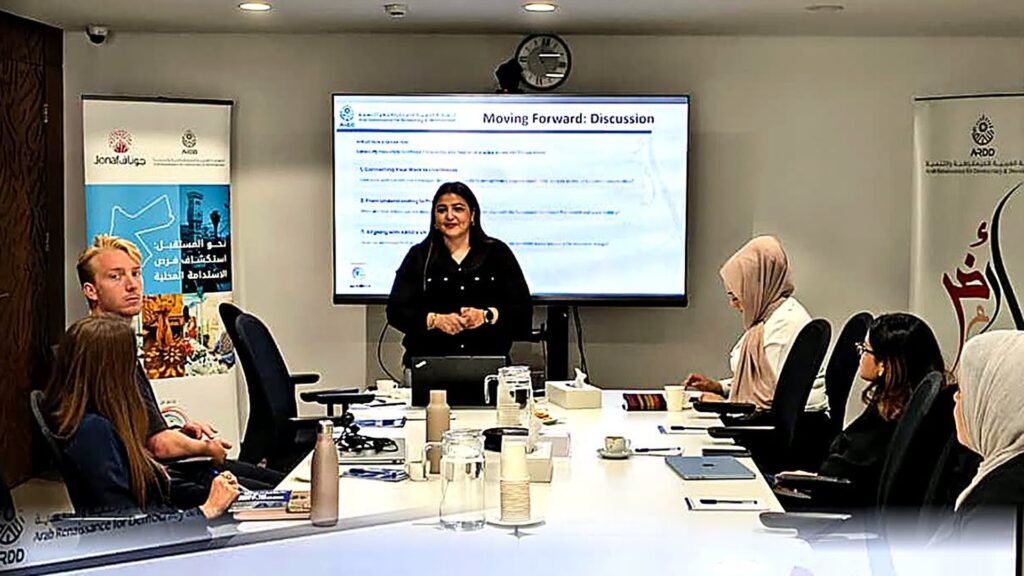
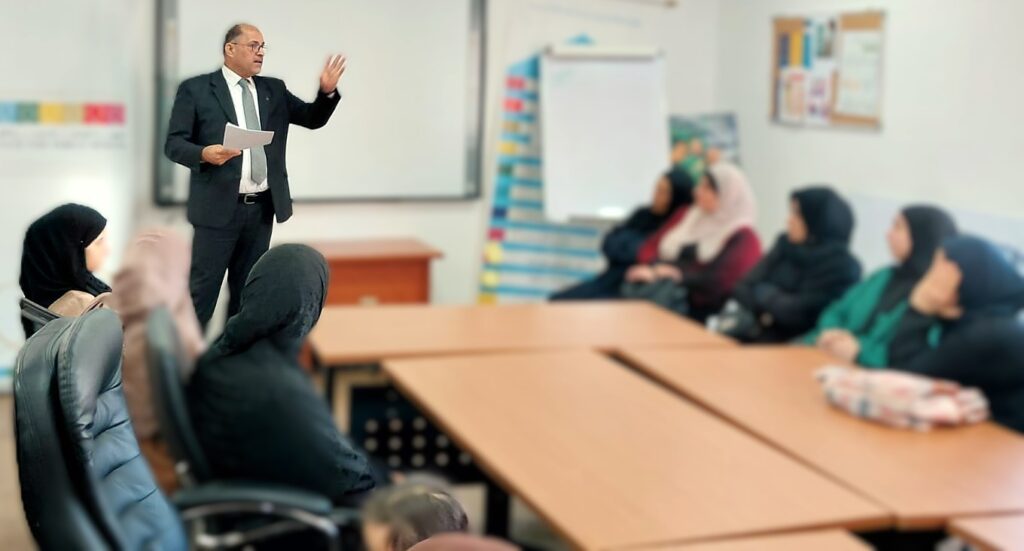
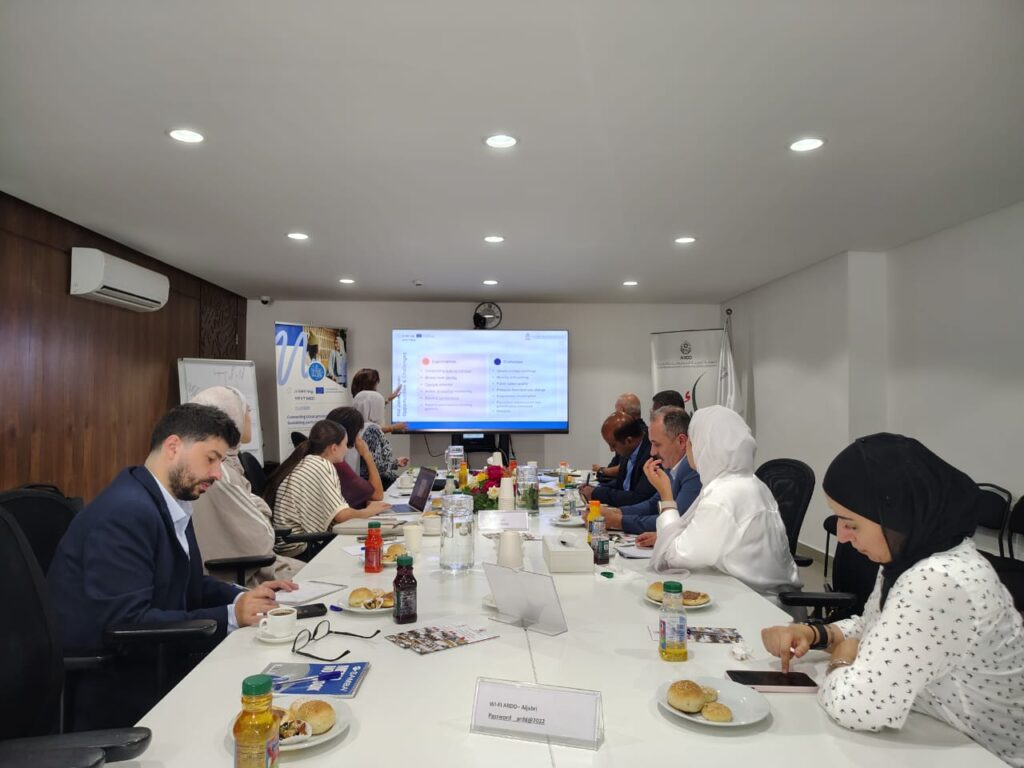
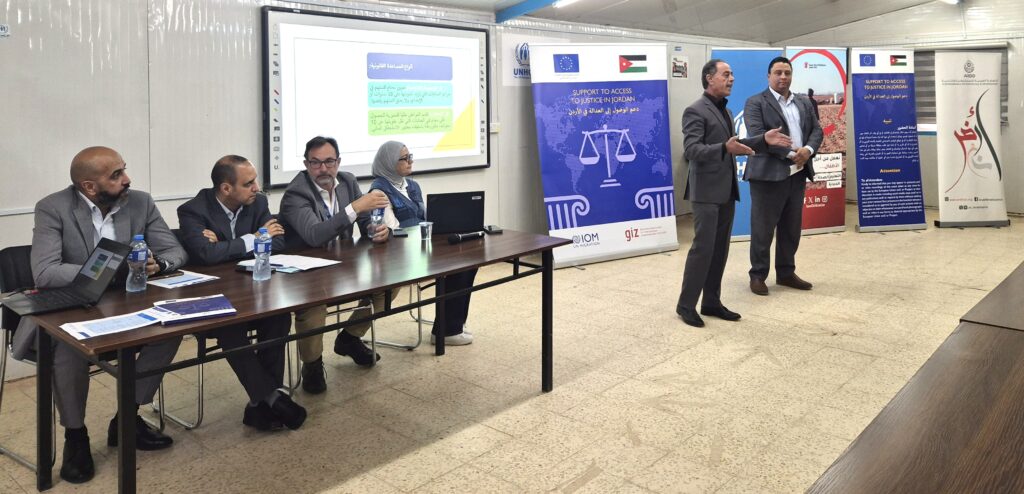
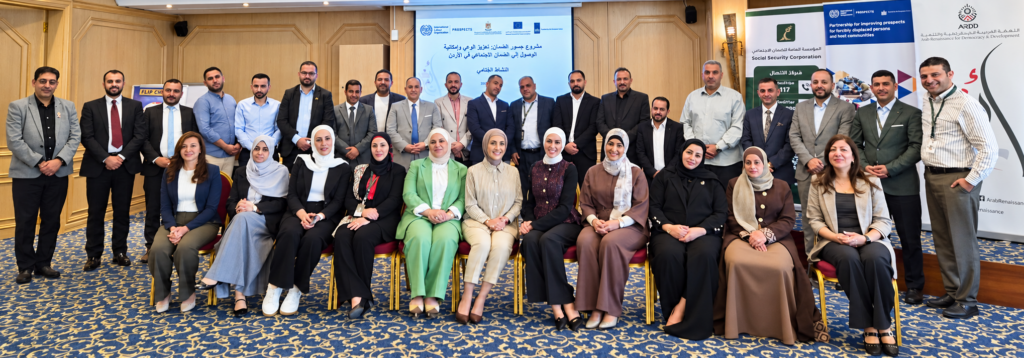
The project’s closing workshop brought together SSC staff and ARDD lawyers, who shared their experiences in conducting awareness sessions and responding to legal and social security-related inquiries. Their direct engagement with communities highlighted the need for more flexible awareness tools that respond to the diverse needs of target groups.
Dalia Ruki, PROSPECTS Programme Manager in Jordan at the ILO, highlighted the growing importance of social security in efforts to ensure decent working conditions for all workers. She stressed that social security is a fundamental pillar of comprehensive social protection, not only by providing insurance coverage, but also by ensuring that individuals—including refugees and workers in the informal economy—have access to the information and services they need to understand and exercise their rights.
She added that this phase represented an important milestone in raising awareness of social security and expanding access to its services. She expressed hope that the closing session would provide an opportunity to exchange experiences, draw lessons learned, and identify ways to sustain and build on these activities, particularly given their importance in strengthening social protection and reaching those most in need.
Souzan Muhareb, Deputy CED of ARDD, explained that these efforts sought to bring the social security system closer to communities, particularly groups with limited access to its services, by combining capacity building for those delivering social security awareness, legal support, community outreach, and field-based engagement.
She noted that more than 900 people of different nationalities benefited from awareness sessions on social security rights and services during the implementation period, including women, youth, refugees, migrants, and workers in particularly vulnerable sectors.
Beyond the awareness sessions and field activities, the project developed practical resources to help sustain and strengthen awareness-raising efforts. These included an employee toolkit on best practices for communication and social security awareness raising, designed to support staff in communicating social security information clearly and effectively to diverse groups. The project also produced five public awareness videos featuring important legal and social security information in an accessible format, helping extend knowledge of social security rights and services to a wider audience.
Rami Qweider, Legal Department Advisor at ARDD, presented an analysis of the needs assessment findings, emphasizing the importance of concerted efforts to strengthen awareness by moving from training to practical field implementation while responding to identified needs and opportunities to further develop awareness-raising efforts.
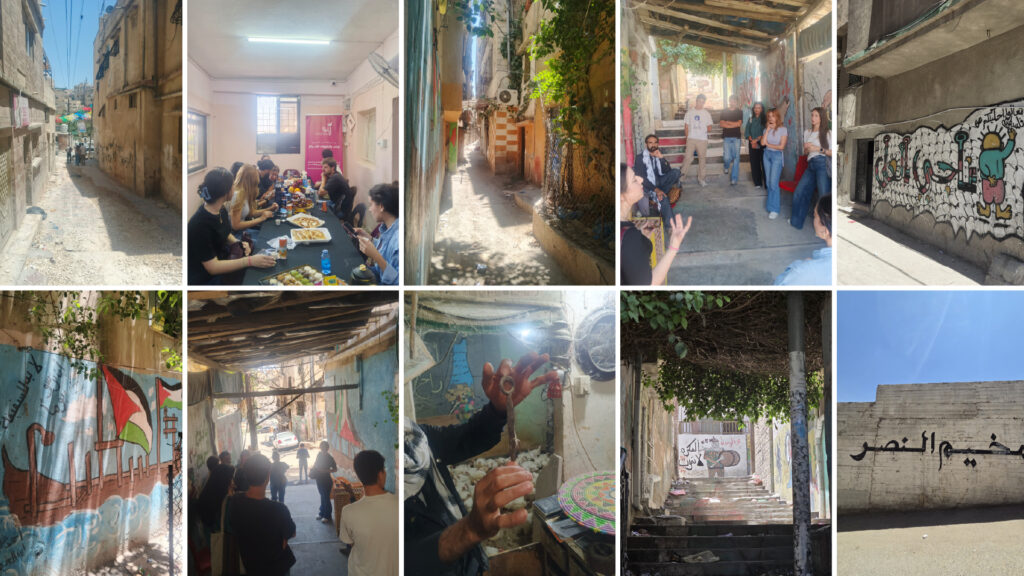
He explained that field activities were delivered through four Workers’ Support Units, located across Ramtha, Mafraq, Russeifa, and South Amman in partnership with local civil society organizations. This approach helped bring information, consultations, and services closer to target groups in their communities.
The event concluded with a discussion on how to build on the experience of “Social Security Bridges” and strengthen integration between capacity building, field engagement, legal support, and local partnerships, with the aim of expanding access to social security and advancing more inclusive and responsive social protection for workers.
These activities were implemented under the PROSPECTS Programme, implemented by the ILO with funding from the Kingdom of the Netherlands, as part of broader efforts to promote decent work and social protection and expand access to rights and social security services for vulnerable groups.