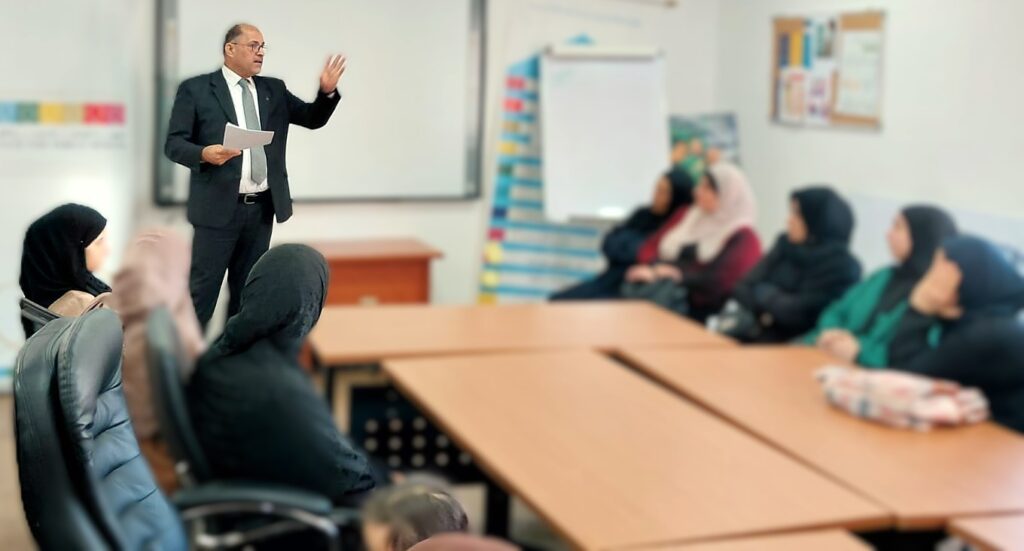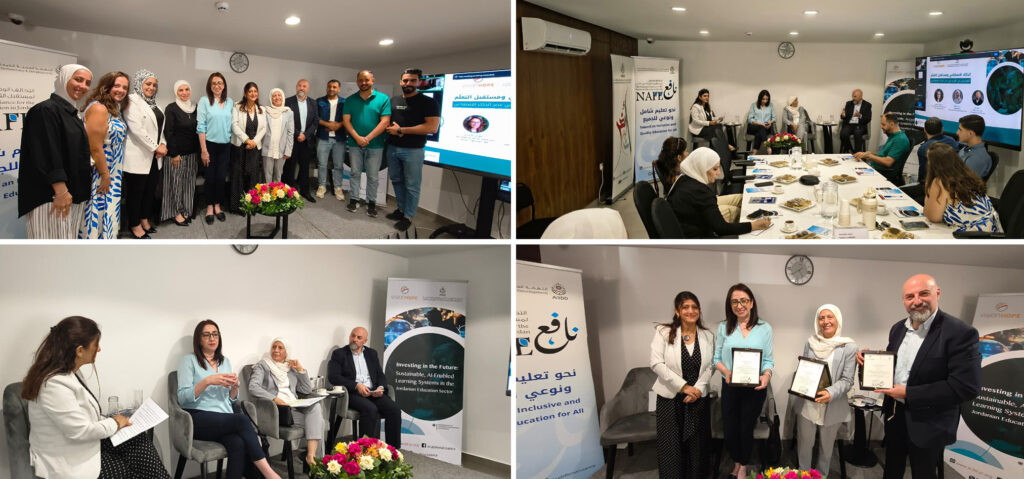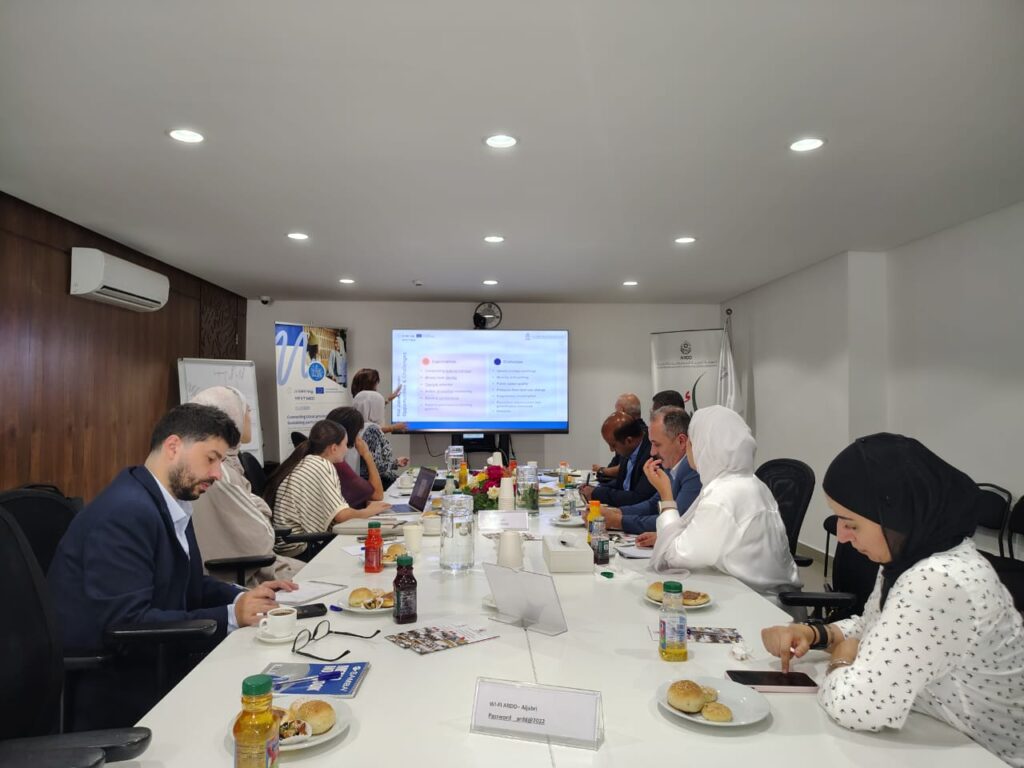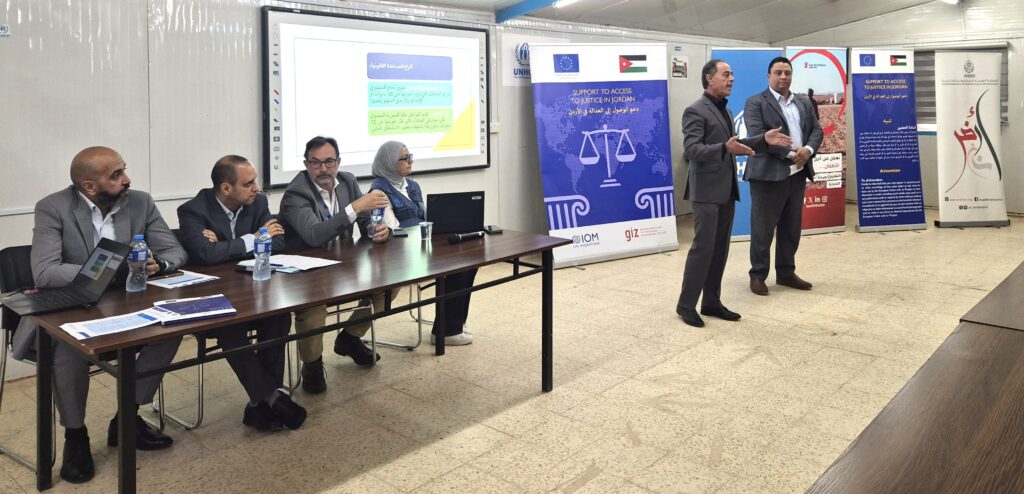
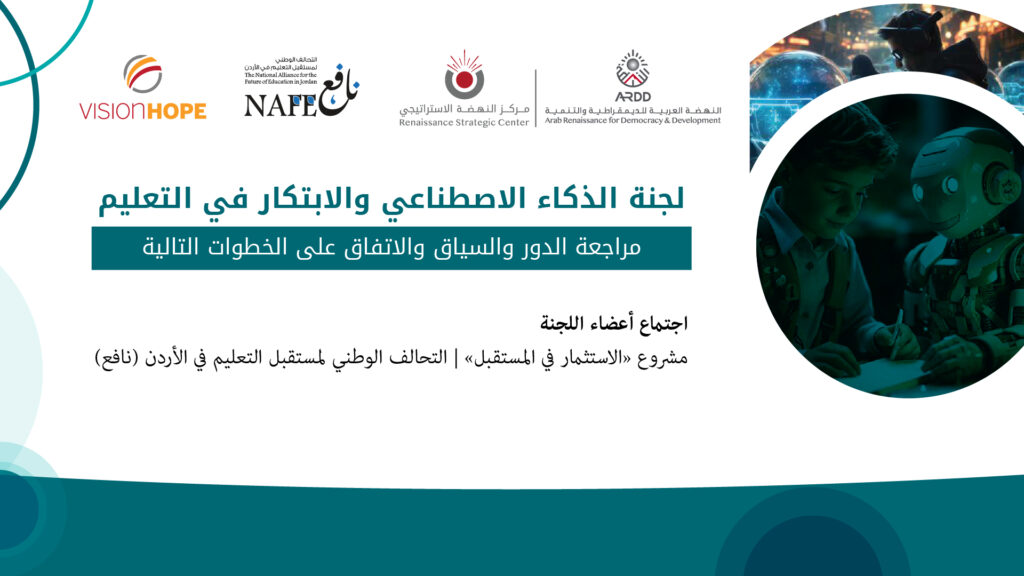
As artificial intelligence (AI) becomes increasingly integrated into education, questions surrounding learning quality, equity, and technology governance are gaining urgency. Against this backdrop, the AI and Innovation in Education Committee, established under the National Alliance for the Future of Education in Jordan (NAFE), convened to define its priorities for the next phase and strengthen its contribution to evidence-based education policymaking.
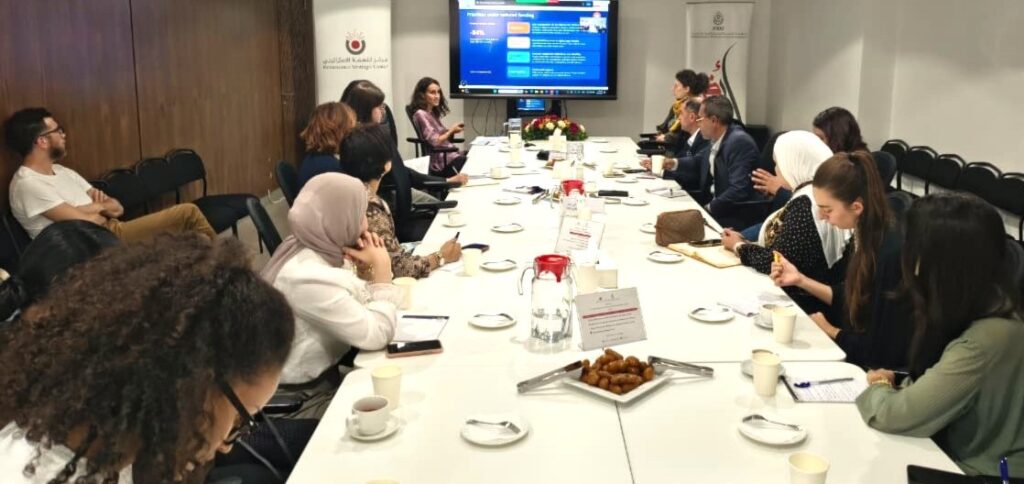
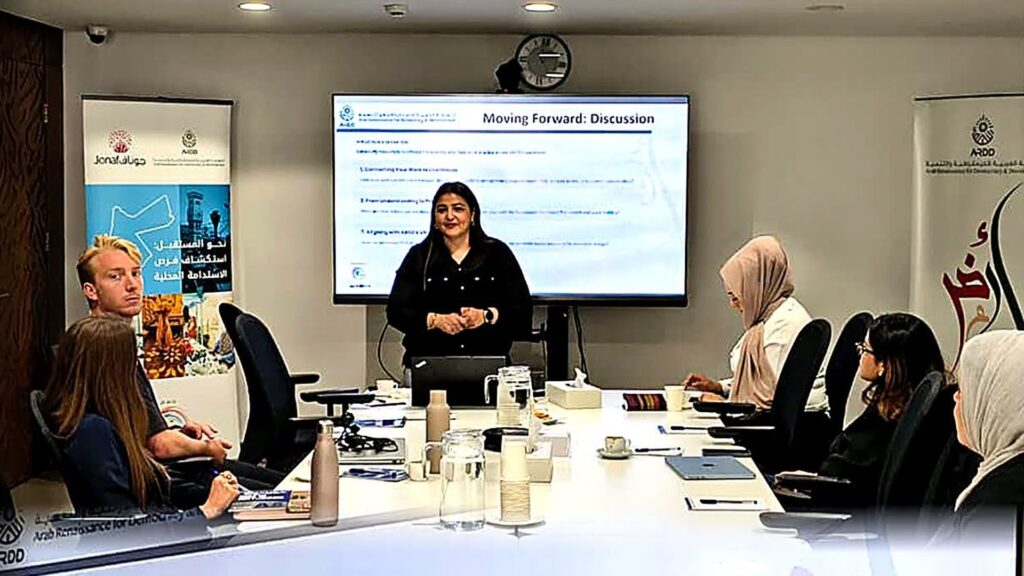
The meeting, held virtually by the Arab Renaissance for Democracy and Development (ARDD) on 13 October 2026, took place amid significant institutional and policy developments in Jordan’s education sector, including the launch of the Education Strategic Plan 2026–2030, the merger of the ministries responsible for school and higher education, and the introduction of a new Tawjihi examination system.
Discussions focused on the need to move beyond the adoption of AI tools towards assessing their actual impact on learning outcomes and establishing clear frameworks for their responsible use. Participants highlighted key policy considerations, including equitable access, teacher preparedness, student data protection, and preserving the central role of educators and learners in the education process.
A central focus of the meeting was the ongoing evaluation of AI integration in eight public schools in Amman and Karak. The assessment is expected to generate field-based evidence on the effectiveness of AI-supported learning, identify implementation challenges, and inform the institutional and educational safeguards needed before wider adoption.
Mr. Nart Dohjoka, Head of Development and International Relations at the Jubilee Institute, emphasized the importance of aligning the Committee’s priorities with Jordan’s Education Strategic Plan 2026–2030 and National Digital Transformation Strategy 2026–2028, ensuring that its contributions respond to national policy priorities and ongoing sector reforms.
Dr. Aseel AlSahwareb, Associate Professor of Educational Sciences and Early Childhood Education at Petra University, highlighted the gap between the growing use of AI tools and the skills required to benefit from them effectively. She noted that while AI may improve preparation and certain educational outcomes, concerns remain about its implications for writing and assessment skills, underscoring the need to strengthen the capacities of both teachers and students.
Dr. Sheeren Hamid, Education and Curriculum Expert, stressed the importance of evaluating AI’s longer-term educational implications before drawing conclusions about its effectiveness. She also called for clearer national policy directions that keep human interaction and learning at the centre of educational innovation.
Addressing the Committee’s potential contribution to policymaking, Dr. Fahmi Albalawna, Executive Manager of Almotahida Education Group, called for leveraging its national expertise to produce in-depth research and policy recommendations on AI integration in education.
Similarly, Dr. Motaz Azzar, Chief Executive Officer of Thakaa, emphasized the value of connecting academic knowledge, technological expertise, and classroom experience to ensure that policy discussions reflect the practical needs and challenges facing schools.
Ms. Heba Sunna, Project Manager at Branches of Mercy, called for a focused and achievable agenda, prioritizing specific policy issues that the Committee could advocate for through concrete, measurable actions.
Eng. Zainab Al-Khalil, Program Manager at ARDD, highlighted the importance of using the evaluation findings to identify policy gaps and translate research evidence into actionable recommendations for relevant decision-makers and education stakeholders.
Moving from discussion to action, participants agreed to update the Committee’s terms of reference and develop an annual work plan, defining policy priorities, expected outputs, responsibilities, and timelines. The plan will seek to strengthen the connection between research findings, policy dialogue, and practical interventions, while providing a basis for monitoring progress and assessing results.
The meeting also explored opportunities to expand the Committee’s role as a national platform bringing together educational institutions, researchers, technology experts, and relevant stakeholders to support policy dialogue and coordination. Proposals included conducting a comparative study of AI applications in education across Arab countries, and strengthening the Committee’s participation in national education policy discussions.
These discussions highlighted a broader policy priority: AI integration in education should be guided not simply by technological availability, but by evidence of its educational value, clear governance frameworks, and safeguards that promote quality, equity, and inclusive learning opportunities.
The meeting was held as part of the AI and Innovation in Education Forum series under the project “Investing in the Future: Sustainable AI-Enabled Learning Systems in the Jordanian Education Sector,” implemented by ARDD in partnership with Branches of Mercy, funded by the German Federal Ministry for Economic Cooperation and Development (BMZ), and in cooperation with Vision Hope International.