Economic hardship, gaps in legal protection, and declining humanitarian funding are placing vulnerable children and families in Jordan under growing pressure, raising concerns over child labour, school dropout, exploitation, and reduced access to essential services.
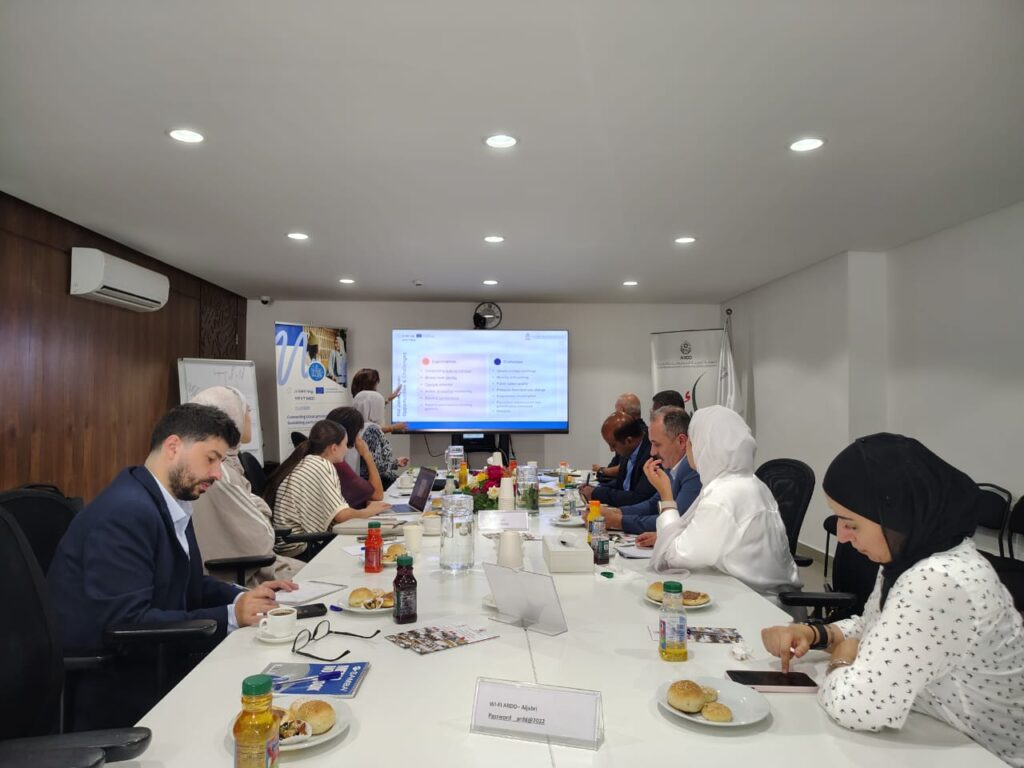
These challenges were at the centre of a policy dialogue convened by the Arab Renaissance for Democracy and Development (ARDD), through its think tank, the Renaissance Strategic Center (RSC), in collaboration with Terre des Hommes Italy. The discussion examined the findings and recommendations of their joint research report, “Intersecting Risks and Rights: Child Protection and Legal Protection Needs in Jordan.”
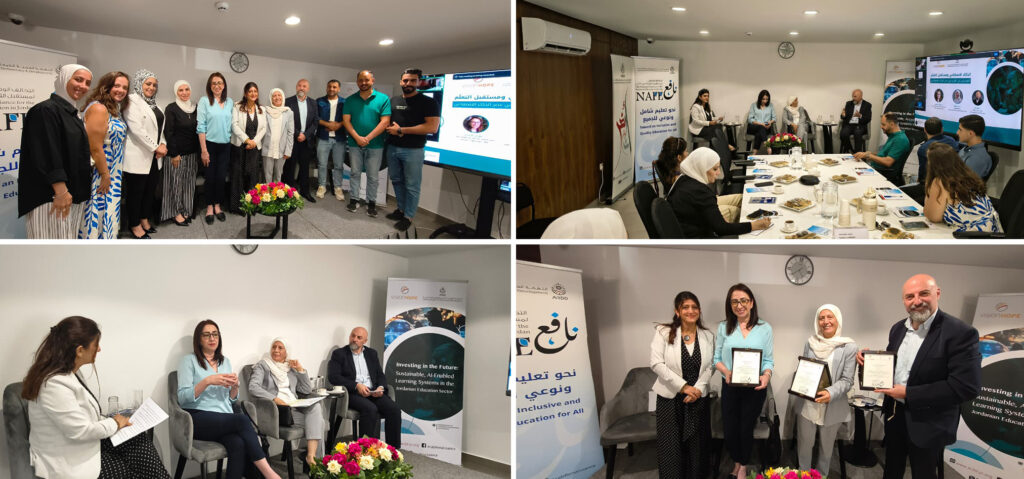
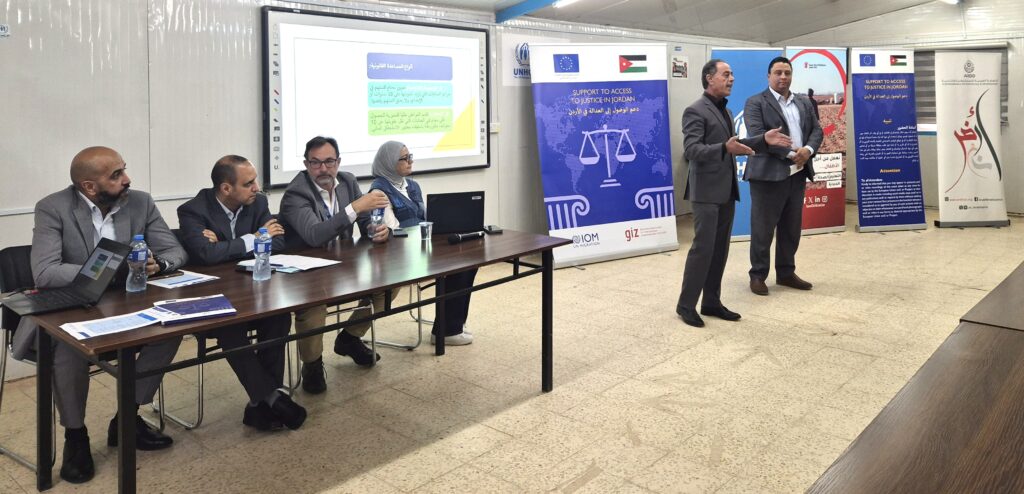
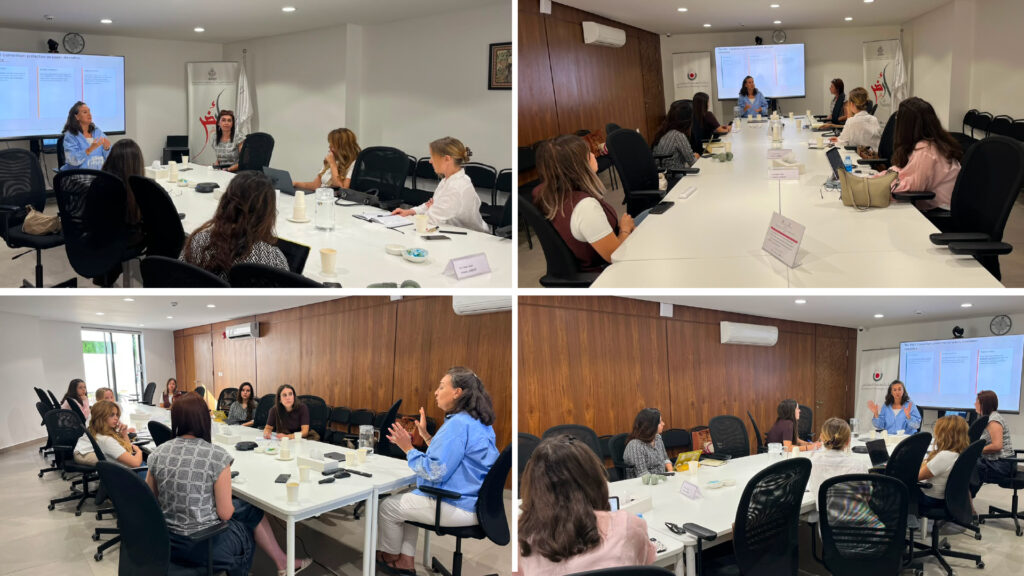
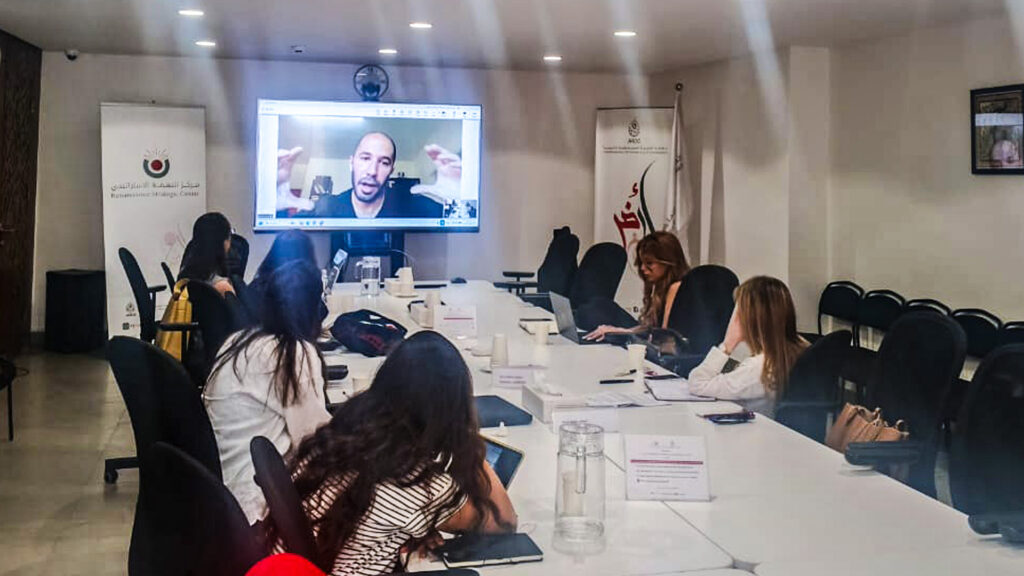
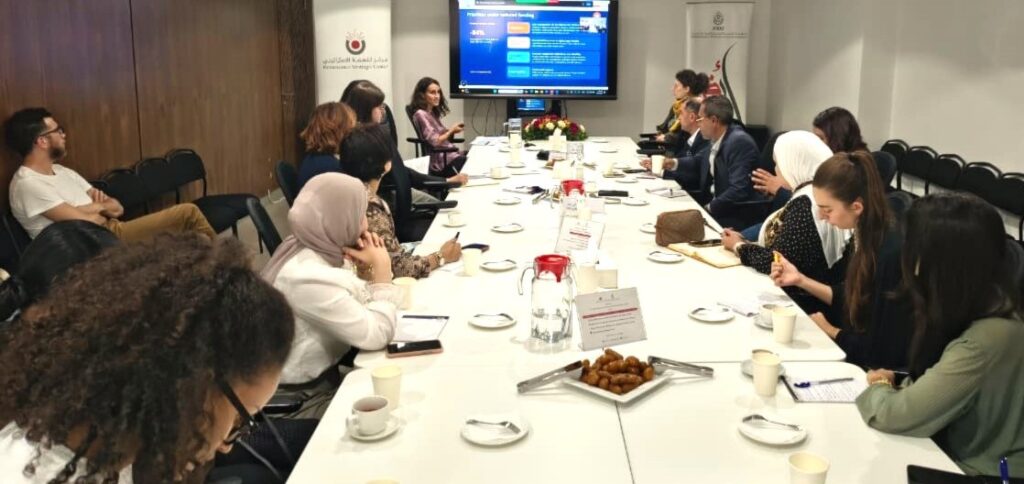
Bringing together representatives of UN agencies, national and international NGOs, and child protection practitioners, both in person and online, the dialogue explored how existing protection efforts can be sustained and strengthened as resources become increasingly constrained.
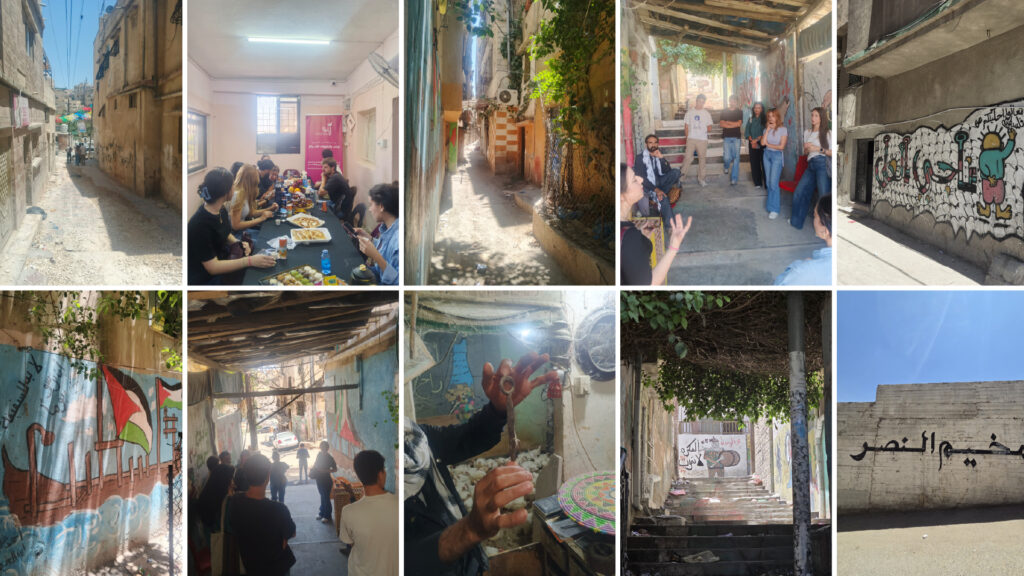
The research, conducted across Amman, Ma’an, Mafraq, and Zarqa, examines the interconnected protection and legal challenges affecting vulnerable refugee and host communities. Its findings highlight how economic insecurity, limited legal awareness, difficulties obtaining civil documentation, and psychosocial distress can compound children’s exposure to violence, exploitation, and exclusion from education and essential services.
A central message from the discussion was the need to protect the gains already achieved through years of child protection interventions. Participants cautioned that shrinking humanitarian resources could undermine established services and referral systems at a time when families are increasingly exposed to protection risks.
Rather than developing parallel responses, participants emphasized the importance of building on existing experience, strengthening coordination, and directing limited resources towards the most pressing needs.
The discussion identified four priorities for collective action:
- Sustaining protection services: Strengthening coordination and joint resource mobilization to maintain essential assistance and prevent gaps in coverage.
- Improving access to support: Updating service information and reinforcing referral pathways so that children and families can reach appropriate legal, psychosocial, and protection services.
- Reaching communities more effectively: Developing accessible, innovative, and continuous awareness efforts that respond to communities’ needs and preferred communication channels.
- Preserving evidence and institutional learning: Documenting successful interventions, challenges, and lessons learned to improve future programming, policy engagement, and advocacy.
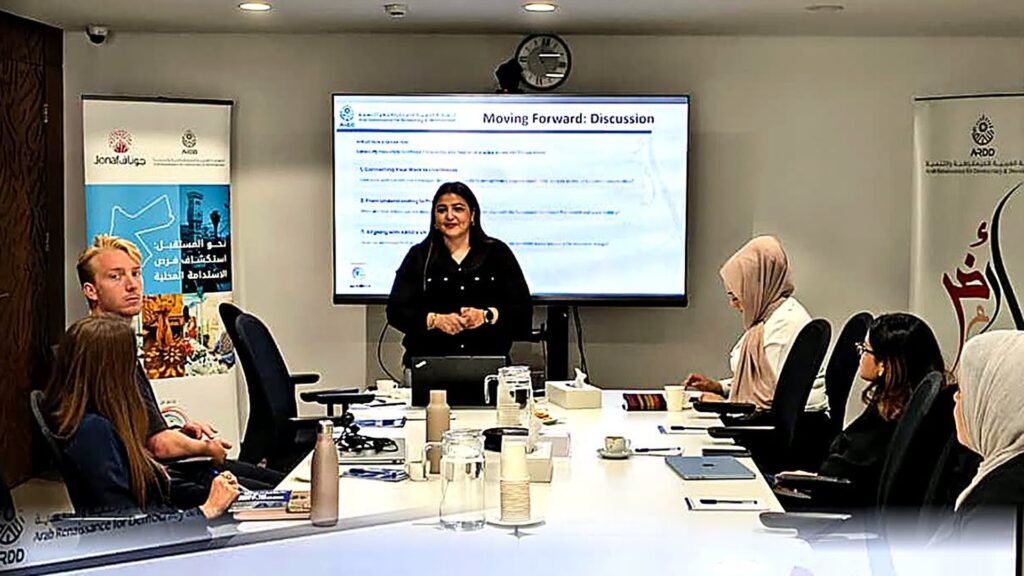
The session opened with remarks by Maria Giovanna of ARDD’s Renaissance Strategic Center, followed by a presentation of the research findings by Martina Mannocchi, Country Representative for Jordan and Programme Coordinator for Palestine at Terre des Hommes Italy.
The exchange underscored the value of connecting field experience with research and policy dialogue, particularly when funding pressures require difficult decisions about priorities and service provision.
Moving forward, the priority is to turn these findings into stronger coordination, more effective referrals, and sustained investment in child protection and legal assistance. ARDD and Terre des Hommes Italy will continue promoting evidence-informed dialogue and cooperation with relevant stakeholders to help safeguard children’s rights and preserve the progress achieved in Jordan.
Read the full report: Intersecting Risks and Rights: Child Protection and Legal Protection Needs in Jordan