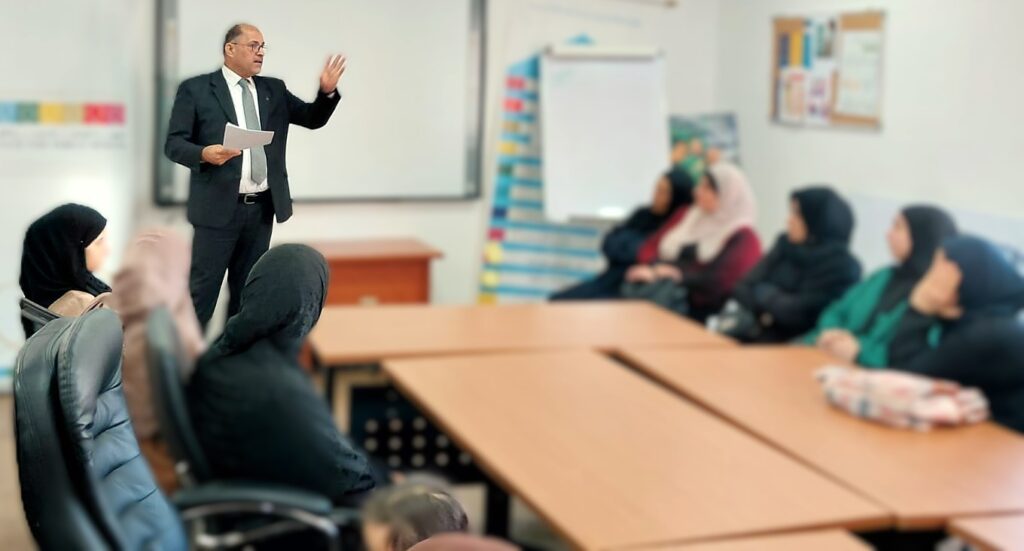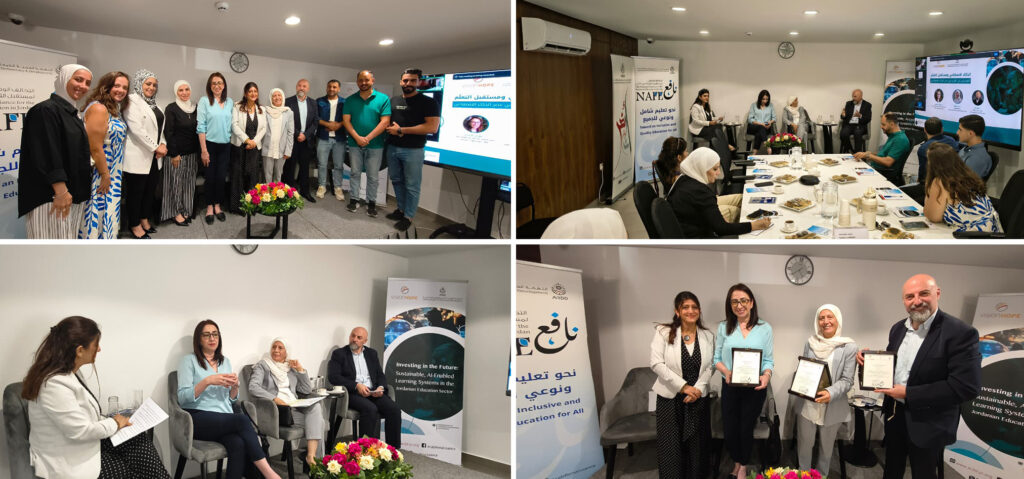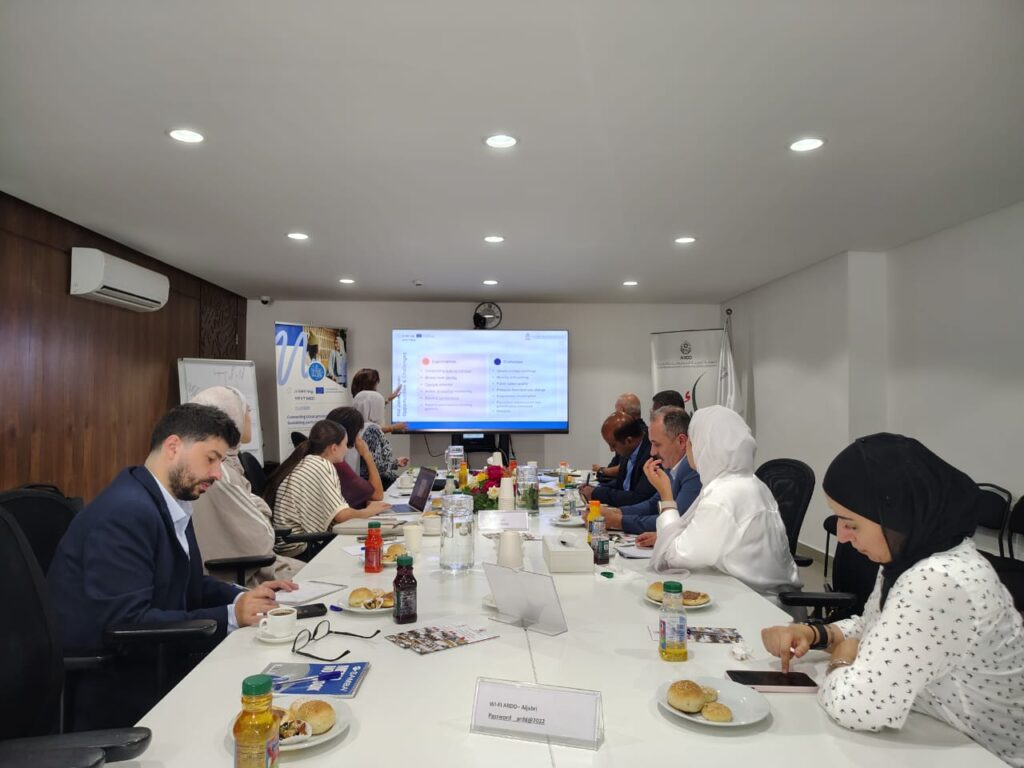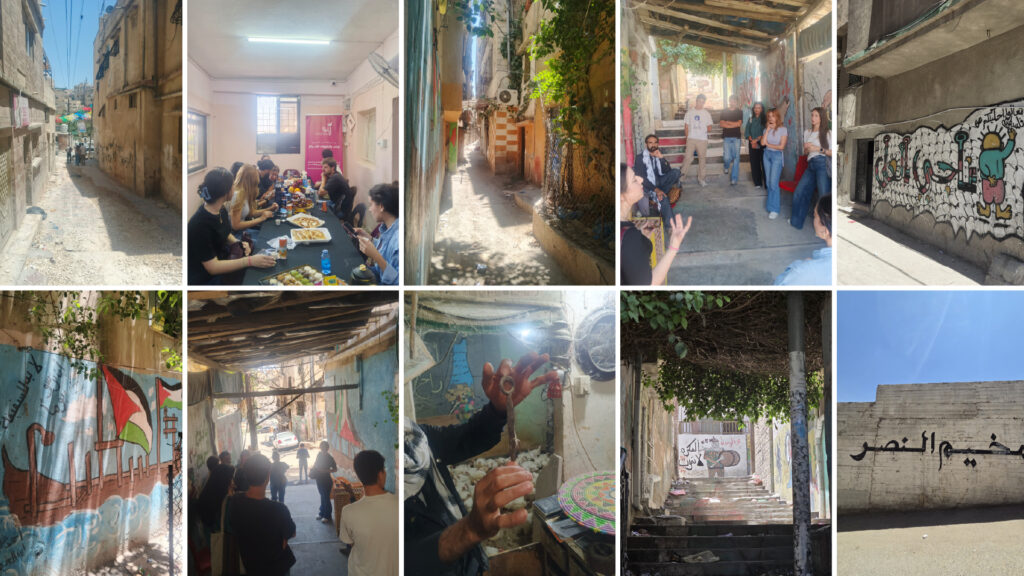
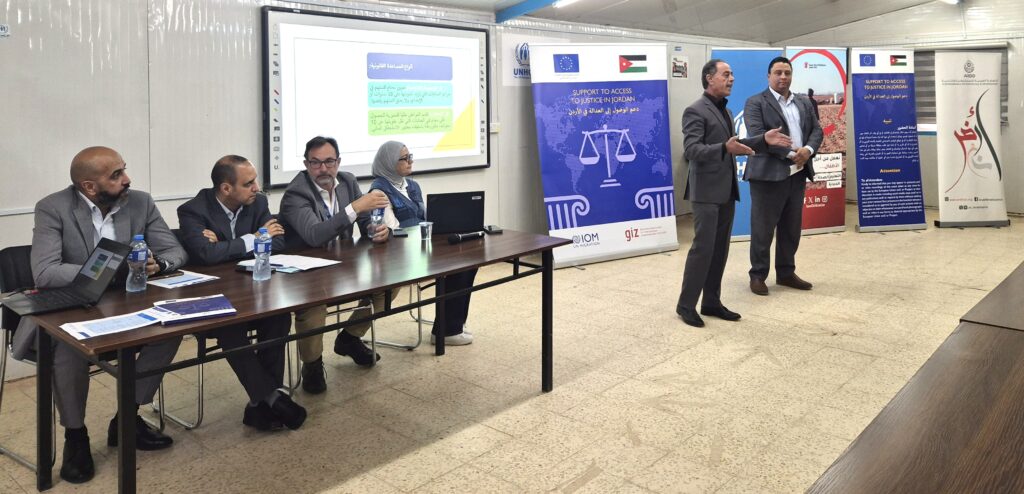
As part of ongoing efforts to strengthen refugees’ access to justice and legal protection in Jordan, the Arab Renaissance for Democracy and Development (ARDD) took part in an awareness session at Zaatari Refugee Camp on 19 August 2026, introducing refugees to available legal aid services and practical ways to access them.
Organized by the International Organization for Migration (IOM) under its “Supporting Access to Justice in Jordan” project, the session brought together the Ministry of Justice’s Legal Aid Directorate, the United Nations High Commissioner for Refugees (UNHCR), and ARDD. It aimed to help refugees and other vulnerable groups better understand the legal services available to them, eligibility requirements, and the procedures for accessing assistance.
The Ministry of Justice’s Legal Aid Directorate outlined its services, eligibility criteria, required documentation, and the steps for non-Jordanians seeking legal aid. UNHCR presented its role in providing protection and legal assistance to refugees, while ARDD focused on the free legal and protection services it provides inside and outside Zaatari Refugee Camp through its longstanding partnership with UNHCR Jordan.
Representing ARDD’s team in Zaatari, lawyers Mohammad Al-Arid and Hamed Yaqoub engaged directly with participants on legal issues affecting their daily lives, answering questions about their rights, relevant procedures, and where to seek support.
ARDD’s legal services are tailored to the circumstances of each case and include legal counselling, mediation, representation, and follow-up with official authorities. Support also covers civil documentation, personal status and Sharia court matters, labour and workers’ rights, procedures related to voluntary return, and other protection-related concerns. Alongside individual legal assistance, ARDD regularly conducts legal awareness sessions addressing issues that affect refugees and emerging legal developments.
ARDD has maintained a legal presence in Zaatari Refugee Camp since 2012. Its team of lawyers and administrative staff works closely with relevant authorities and partners to follow up on cases and facilitate access to services, including through coordination with the Sharia Court, the Civil Status and Passports Department, the Family and Juvenile Protection Department, security authorities, UNHCR, and other organizations operating in the camp.
This work builds on ARDD’s wider experience in legal protection and access to justice. Since 2010, ARDD has served as a legal implementing partner of UNHCR in Jordan in the framework of the Refugees Legal Protection Project, supporting refugees of different nationalities both inside and outside refugee camps and across the Kingdom, while also providing legal services to Jordanians in local communities.
The session concluded with an open discussion, allowing participants to raise legal questions directly with the participating institutions and organizations. Beyond providing practical information, the exchange highlighted the value of coordination between public institutions, international organizations, and local civil society in ensuring that legal aid reaches those who need it and translates into meaningful access to rights and justice.
ARDD values cooperation with IOM, the Ministry of Justice, and UNHCR in facilitating this exchange and remains committed to strengthening coordination to make legal protection and access to justice more accessible and responsive to refugees and vulnerable communities across Jordan.