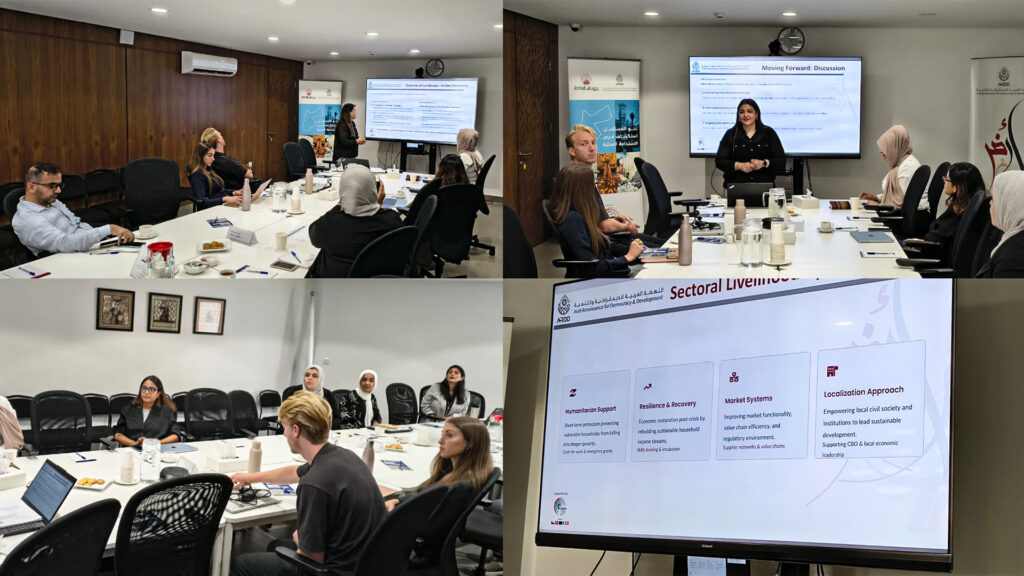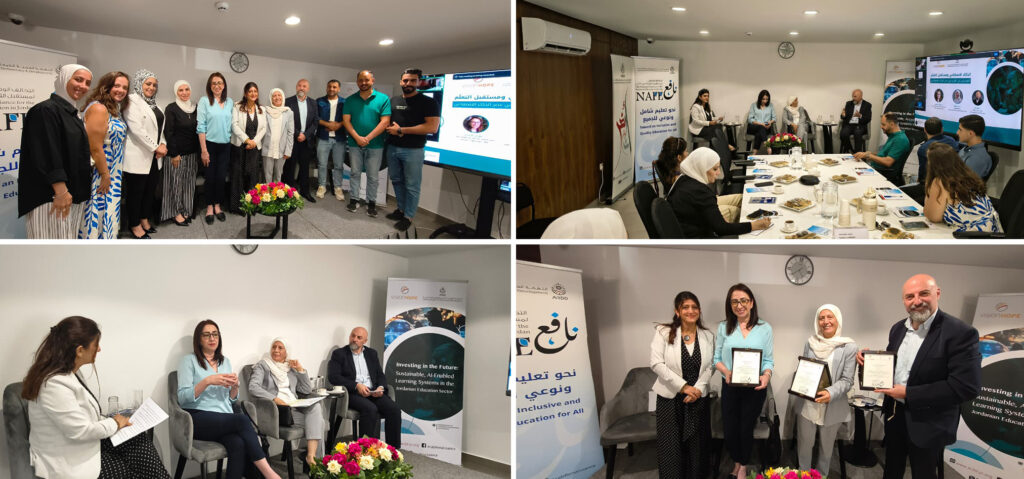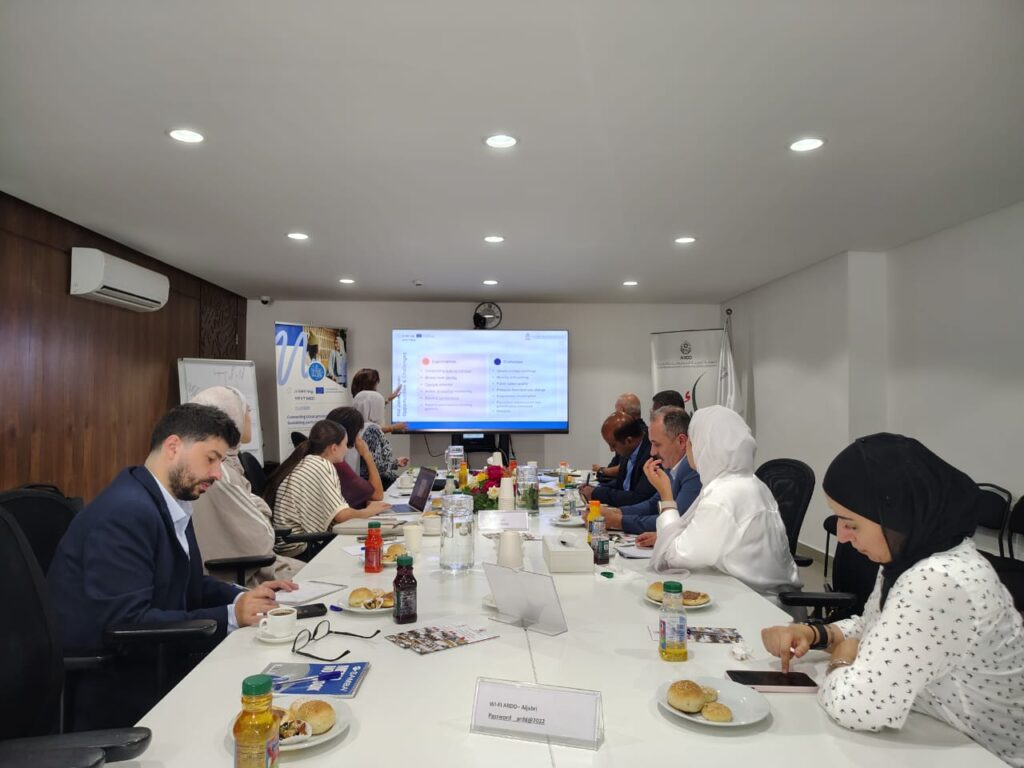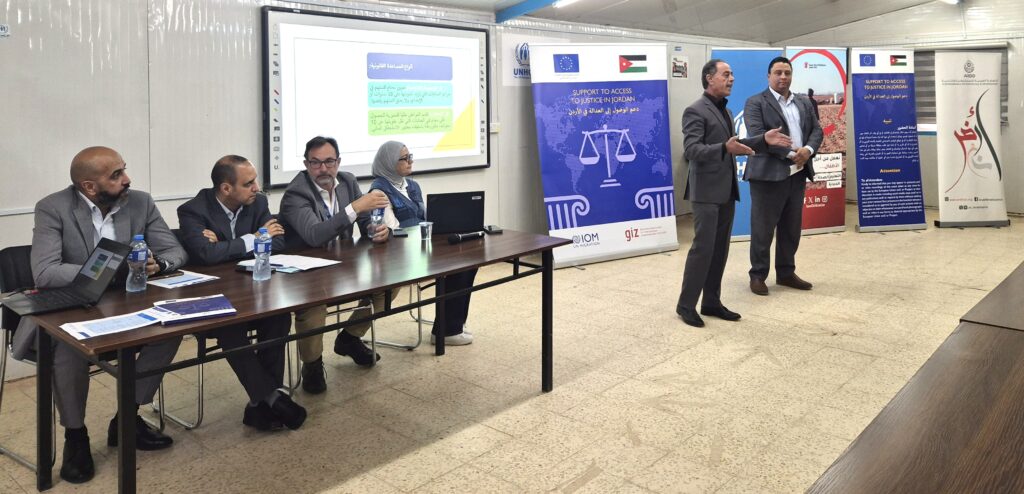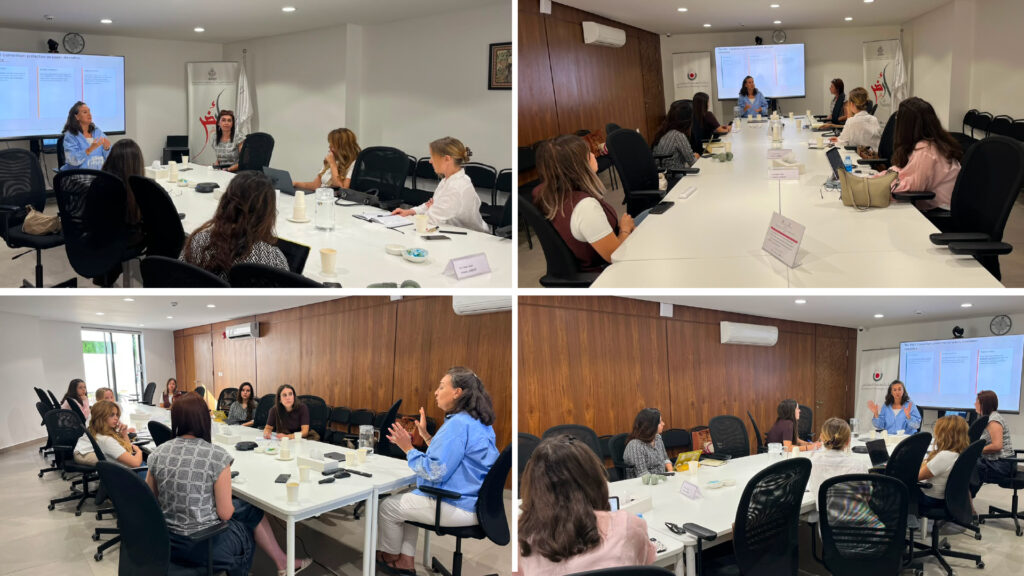
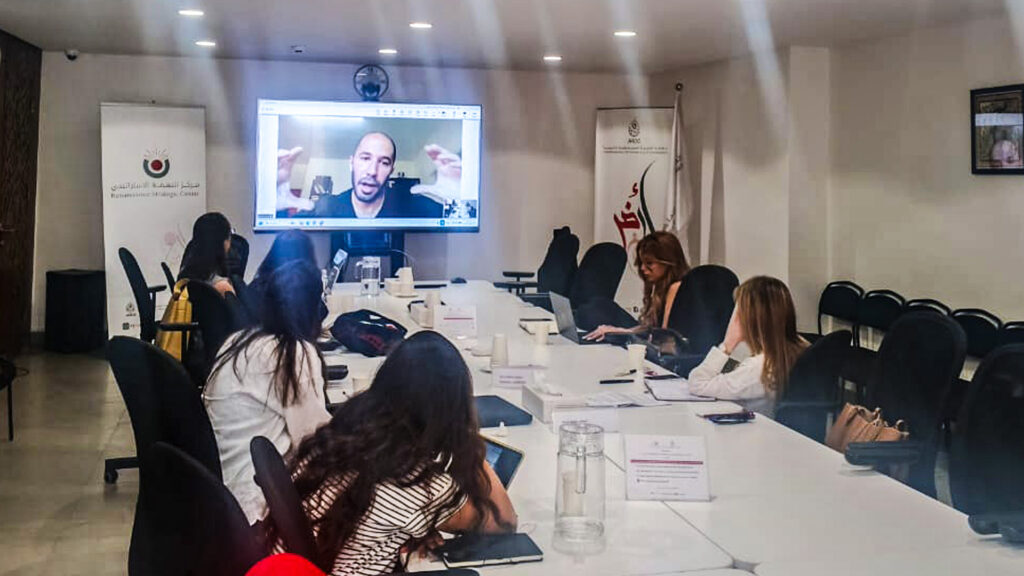
As part of the Summer Course “International Politics in the SWANA Region: Colonial Legacy, Displacement, and Humanitarian Governance,” the Renaissance Strategic Center (RSC) at the Arab Renaissance for Democracy and Development (ARDD) welcomed Dr. Taher Labadi and Dr. Basil Farraj from Birzeit University for two guest lectures examining political economy, labor migration, incarceration, and resistance in Palestine and the wider SWANA region.
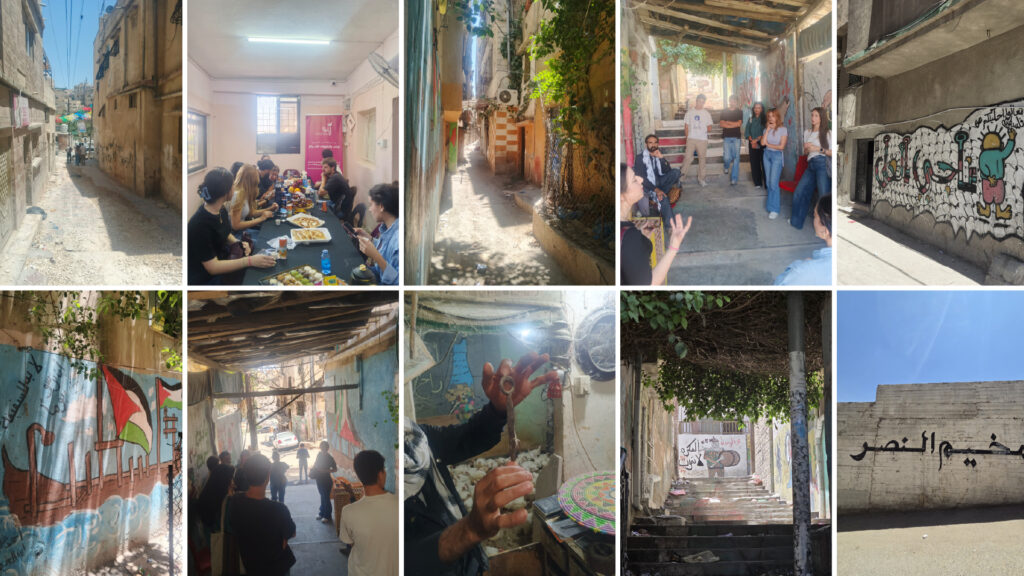
The three-week summer course, held in Amman from 12–30 July 2026, is a joint academic initiative between RSC and the Ibrahim Abu-Lughod Institute of International Studies (IALIIS) at Birzeit University. Bringing together academic seminars, interactive discussions, field visits, and experiential learning, the course seeks to connect contemporary regional developments with their broader historical, political, economic, and social contexts.
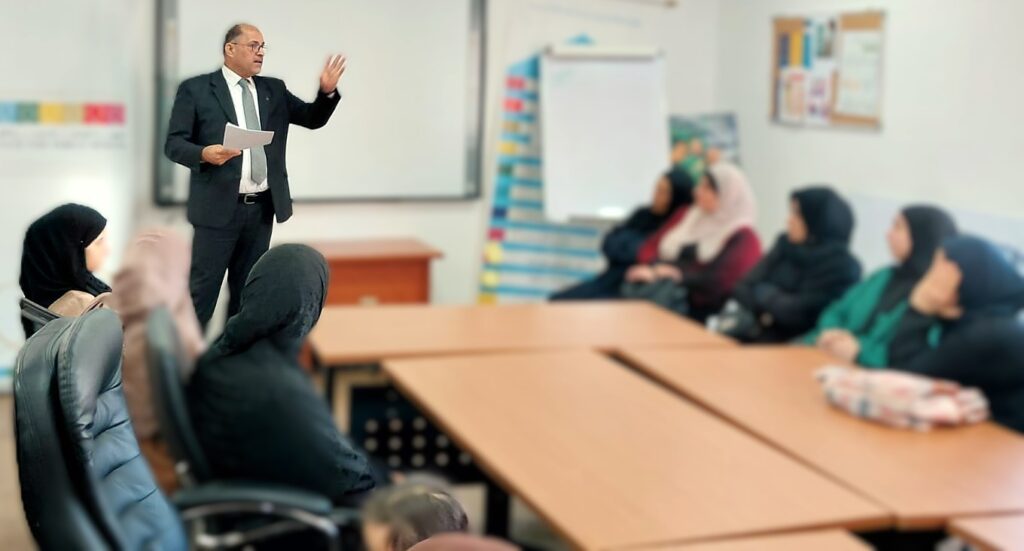
Dr. Taher Labadi, a political economist whose research examines the intersections of capitalism, colonialism, labor, and economic resistance, led a session on political economy and labor migration. He invited participants to look beyond migration as simply the movement of workers and consider the economic structures, political interests, borders, and unequal power relations that shape mobility and labor conditions.
Drawing on the experience of Palestinian workers in Israel, the discussion explored the contradictions of economic systems that depend on workers’ labor while leaving them exposed to insecurity and limited protection. The session encouraged participants to critically examine how colonial structures, economic dependency, and political instability influence labor relations and everyday livelihoods.
Building on the course’s focus on Palestine and regional politics, Dr. Basil Farraj, Assistant Professor and Director of the Ibrahim Abu-Lughod Institute of International Studies at Birzeit University, led a session examining the experiences of Palestinian political prisoners and carceral violence. His research focuses on imprisonment, resistance, memory, violence, and the strategies through which detainees confront carceral regimes.
The discussion approached imprisonment not only through the experiences of individual prisoners, but as a broader political and social issue affecting families and Palestinian society. It provided participants with a critical lens for examining the relationship between detention, rights, political violence, resistance, and systems of power.
The two sessions reflected a central objective of the summer course: to ground the study of international politics in the lived realities and structural dynamics shaping the SWANA region. By bringing political economy, colonial legacies, labor, incarceration, and resistance into dialogue, the lectures demonstrated how regional developments cannot be understood separately from the historical and contemporary power structures in which they unfold.
The sessions also underscored the value of the academic partnership between RSC and Birzeit University in connecting scholarship with pressing regional realities and creating space for students, researchers, and practitioners to engage critically with questions emerging from Palestine and across the SWANA region.
The guest lectures form part of a wider program of academic seminars, interactive discussions, policy-oriented learning, field visits, and experiential activities designed to deepen participants’ understanding of colonial legacies, political economy, displacement, humanitarian governance, localization, and Palestine.