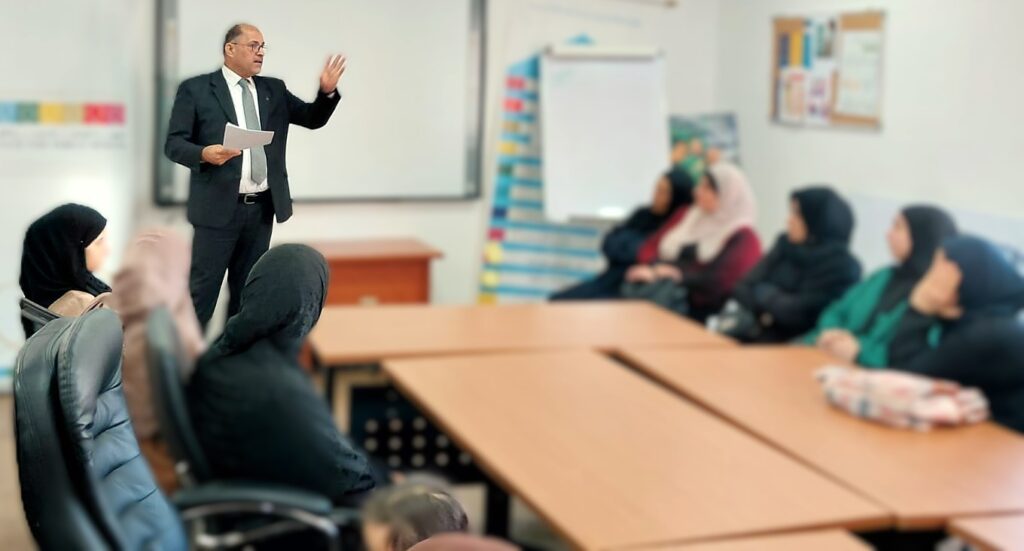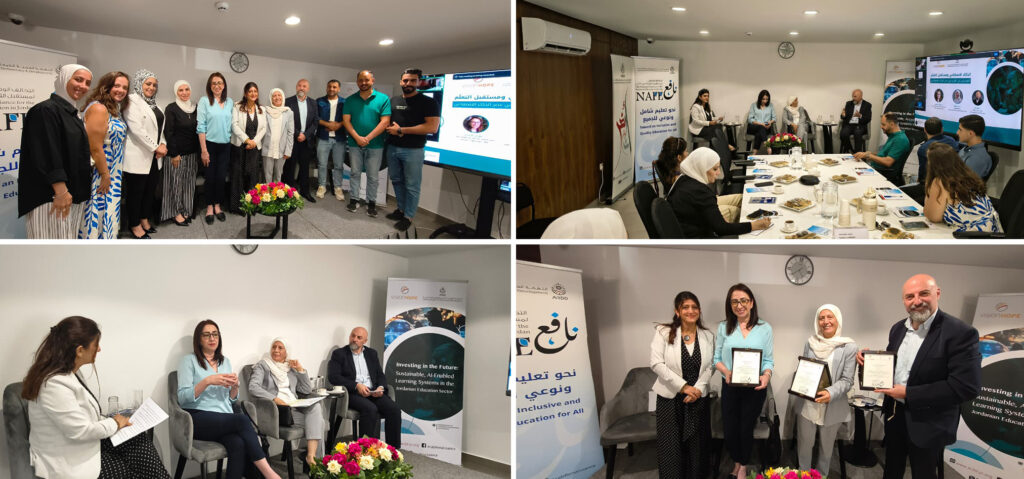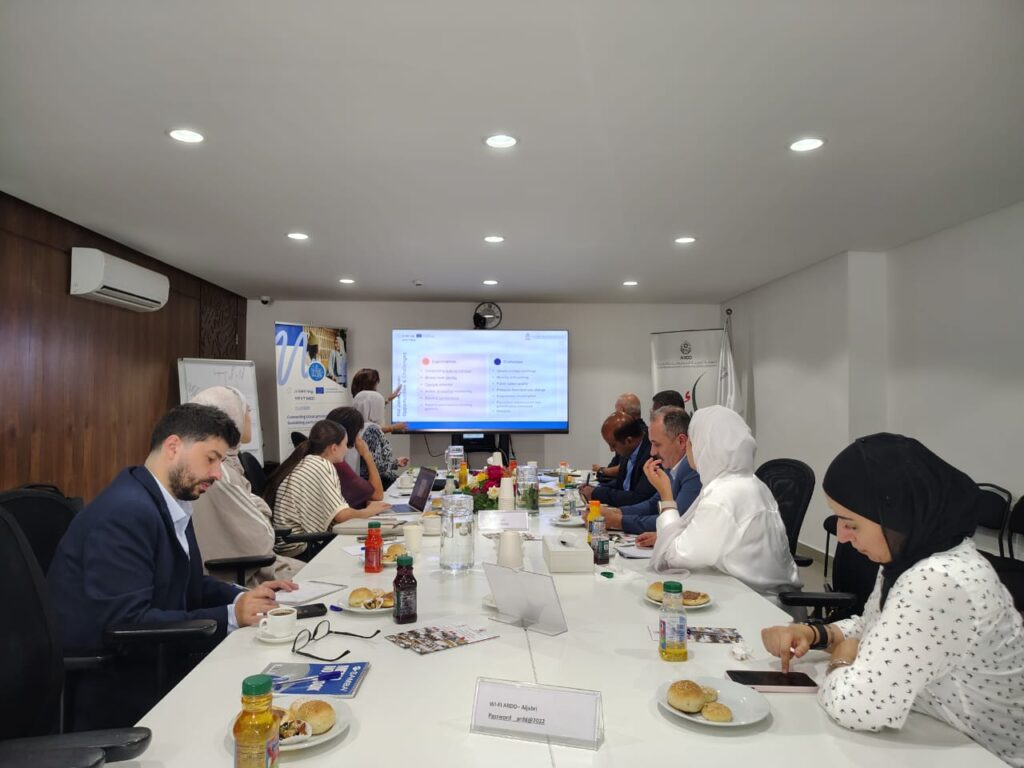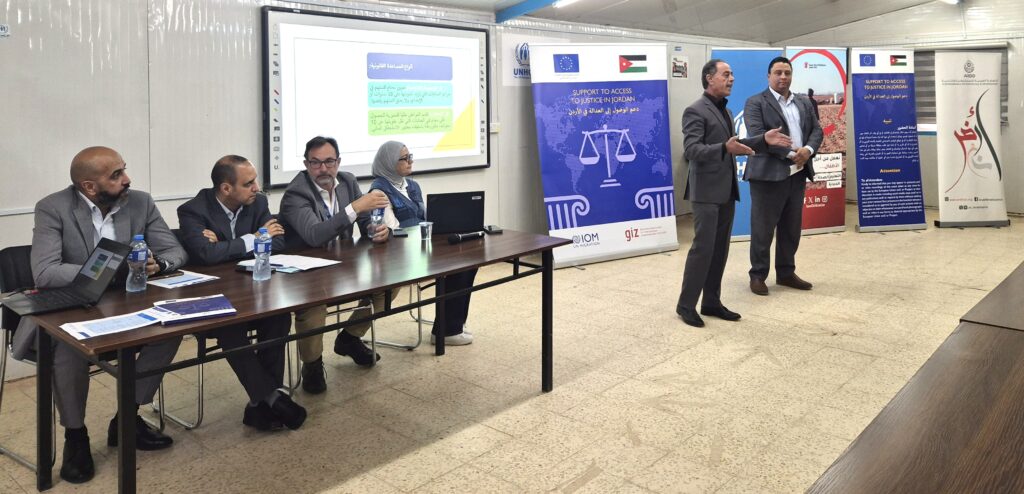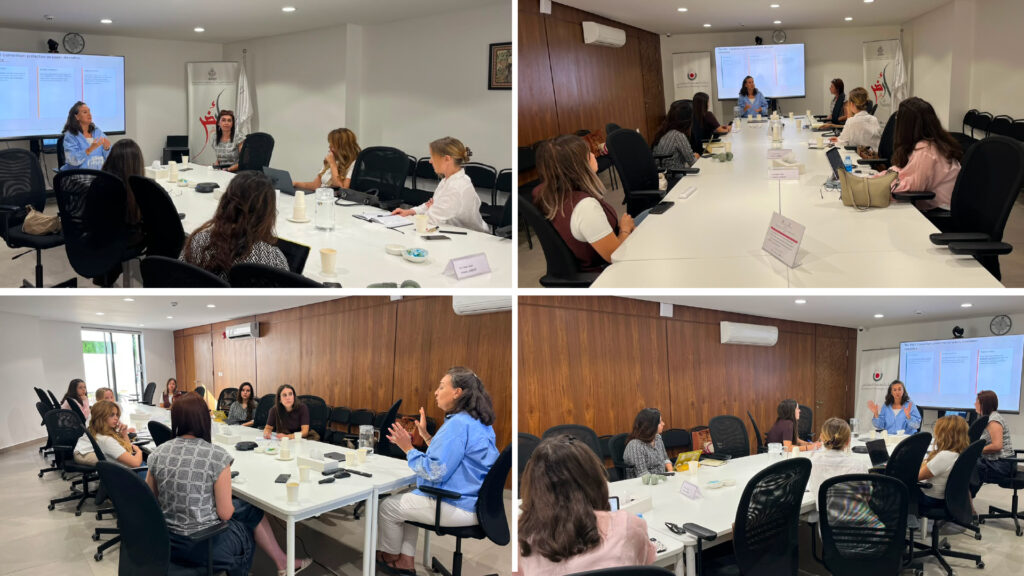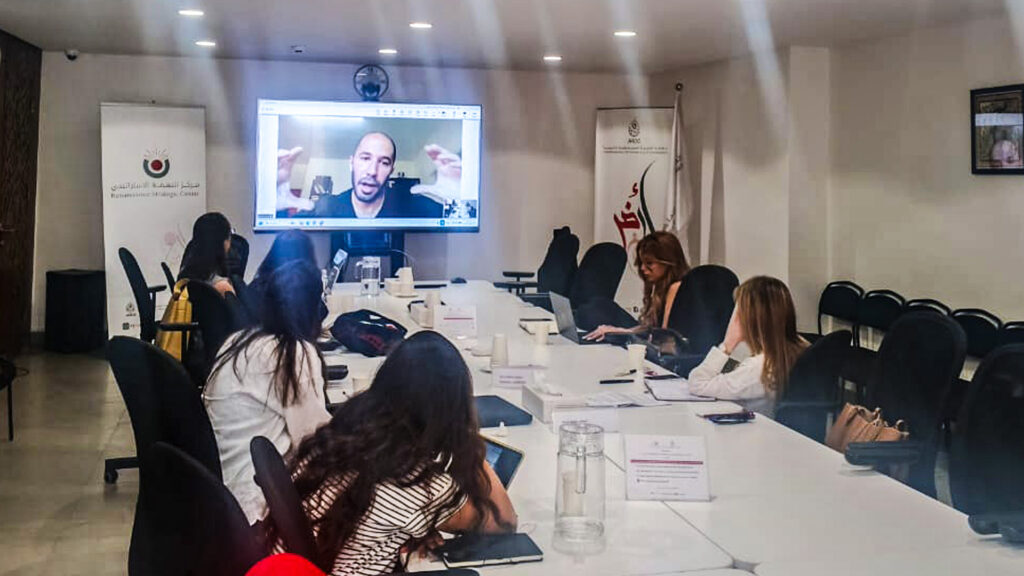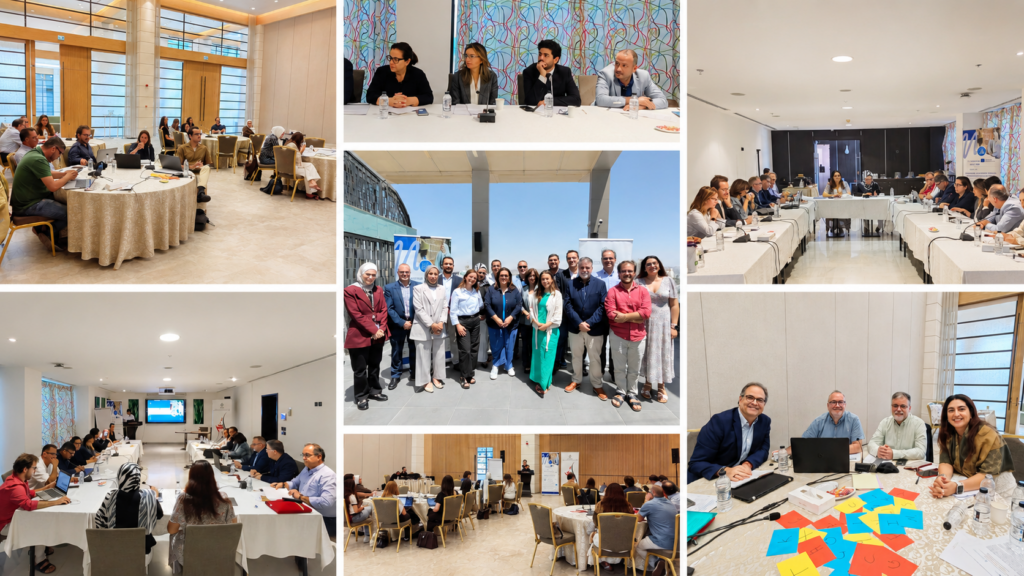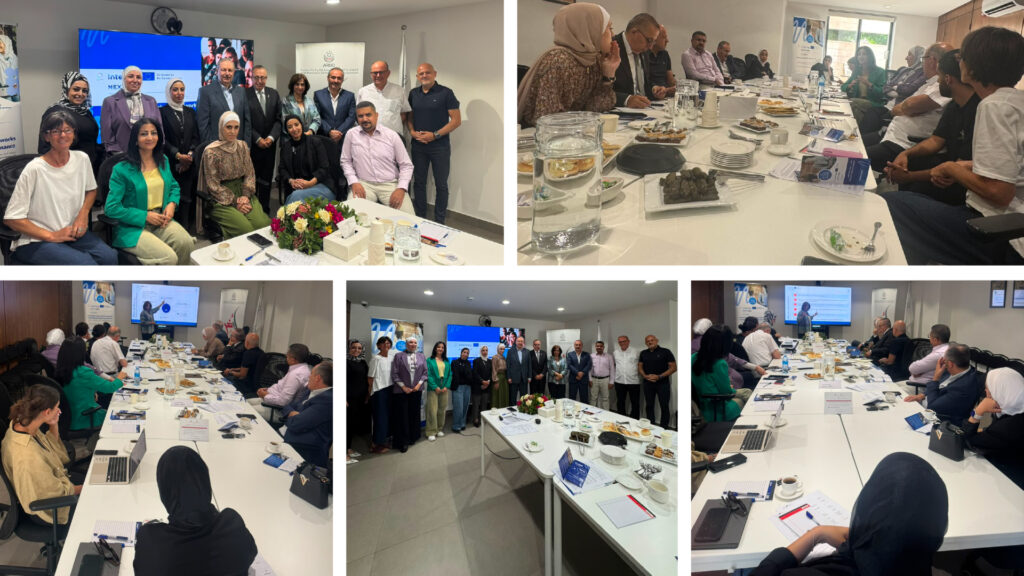
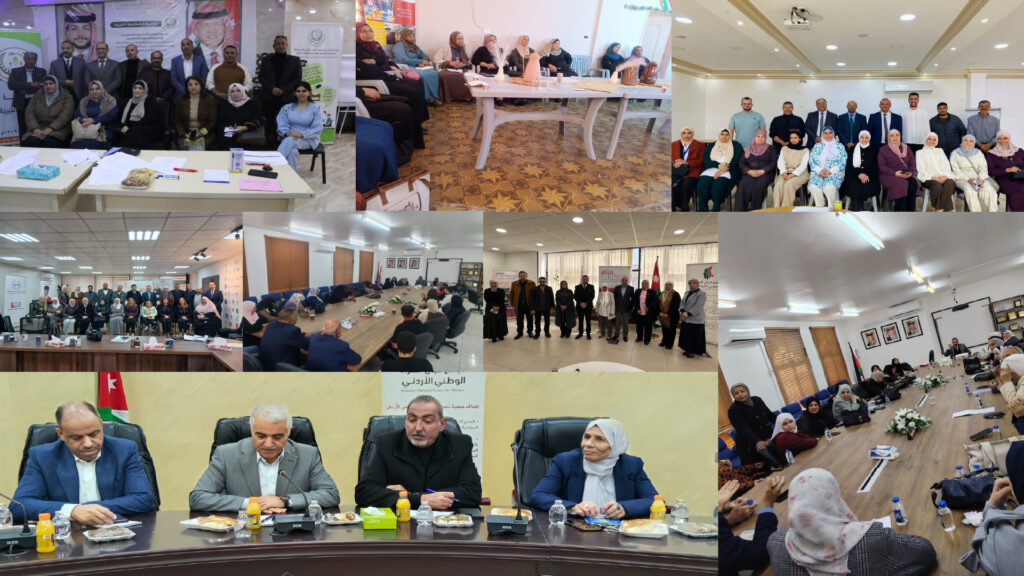
The Arab Renaissance for Democracy and Development (ARDD), in partnership with UN Women Jordan and in collaboration with member organizations of the Tawasol Network including Al- Sumou Association, Al-Shehabiyya Charitable Association, Al-Hessa Charitable Association for Orphans and the Poor, Jordanian National Forum for Women, Ghor AlHadetha Women’s Charity Association, and I am Human Society for Rights of PWD, organized a series of national dialogue sessions during February and March 2026 across Aqaba, Karak, Tafileh, Ma’an, Southern Ghor, and Amman.
The sessions brought together members of the Tawasol Network alongside a wide range of national and local stakeholders involved in crisis management, including representatives from governorates, municipalities, relevant ministries, national institutions, and civil society organizations.
Conducted under the Tawasol Project, the sessions aimed to strengthen locally driven approaches to crisis prevention, preparedness, and response. They focused on the importance of enhancing coordination between civil society and public institutions, while supporting the complementary role of local organizations, particularly women-led organizations, in contributing to planning processes, community engagement, and awareness raising efforts.
Discussions among CBO representatives and official stakeholders emphasized the importance of a localized and coordinated approach to crisis management, including early warning, risk reduction, and effective response. Both groups highlighted the need to clarify roles and responsibilities, strengthen communication channels, and establish more structured coordination mechanisms to ensure timely and efficient responses.
Participants also stressed the importance of inclusive participation, emphasizing the meaningful engagement of women, youth, and persons with disabilities as active partners in decision-making processes related to crisis management.
Key challenges such as climate change, resource limitations, and economic pressures were highlighted, alongside the importance of strengthening early warning systems and improving preparedness at both local and national levels.
Following this, and in line with Tawasol’s commitment to an inclusive and participatory approach, the sessions also included targeted engagements with youth and persons with disabilities (PWDs) to further explore their unique perspectives, challenges, and roles in crisis preparedness and response, and to identify tailored approaches to enhance their inclusion in decision-making processes. in addition, two of the sessions implemented in collaboration with the Jordanian National Forum for Women and Al-Hessa Charitable Association generated recommendations that requires further discussions within the same dialogue process. These discussions helped validated and refine findings and strengthened alignment between local actors and stakeholders on proposed coordination mechanisms and action points.
Across the different locations, the sessions generated practical recommendations directed to relevant local stakeholders, including CBOs and public institutions, with the understanding that their further development and adoption would be considered in coordination with the relevant government entities. These recommendations included the potential development of coordination protocols, identification of focal points, creation of shared resource databases, and the design of joint trainings and simulation exercises as part of future roadmap.
The sessions resulted in strengthened coordination between CBOs and official stakeholders in targeted areas and reinforced the role of the Tawasol Network as a platform for early warning, knowledge exchange, and community-based response.
Participants noted that “strengthening coordination and clearly defining roles are essential to ensuring faster and more effective crisis response,” and emphasized that “local communities, including women and youth, must be at the center of planning and response efforts.”
These engagements underscore the role of the Tawasol Network as a collaborative platform that connects communities with decision-makers and contributes to building more resilient, inclusive, and well-coordinated local systems in Jordan.
This initiative comes within the framework of ARDD’s “Women’s Access to Justice” program and as part of implementing the Jordanian National Action Plan on UN Security Council Resolution 1325 (JONAP II), with support from the JONAP Pooled Fund, reaffirming the importance of strengthening women’s roles in peacebuilding and enhancing community preparedness in responding to crises.